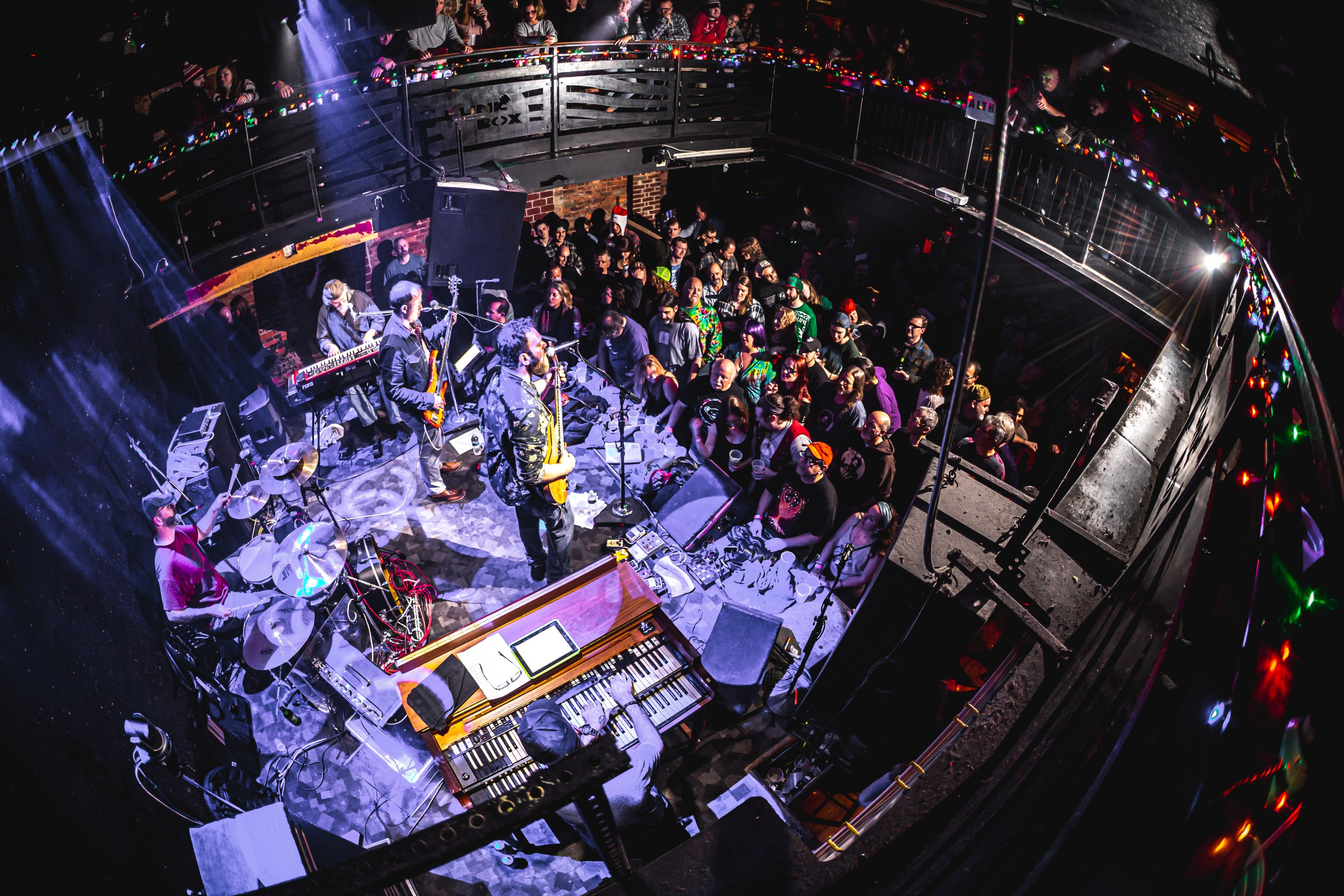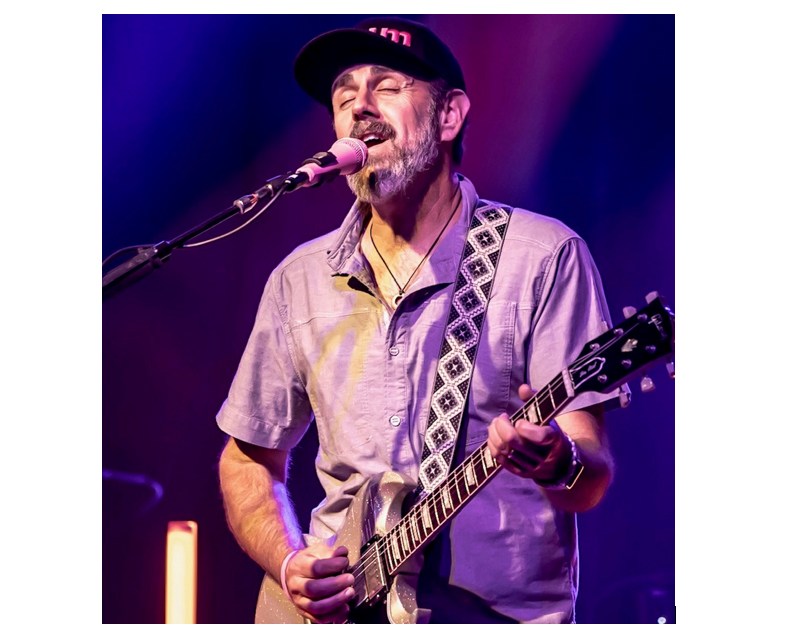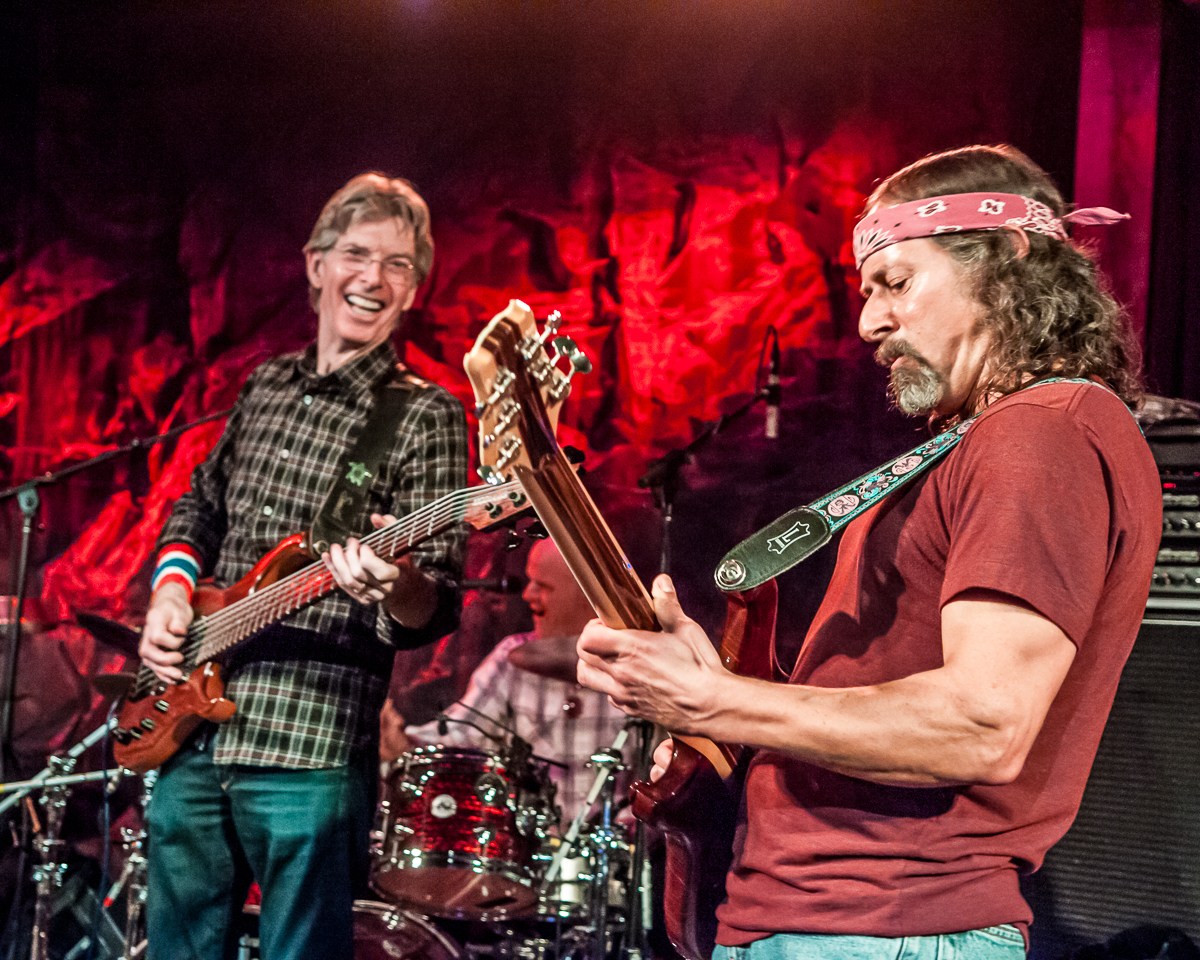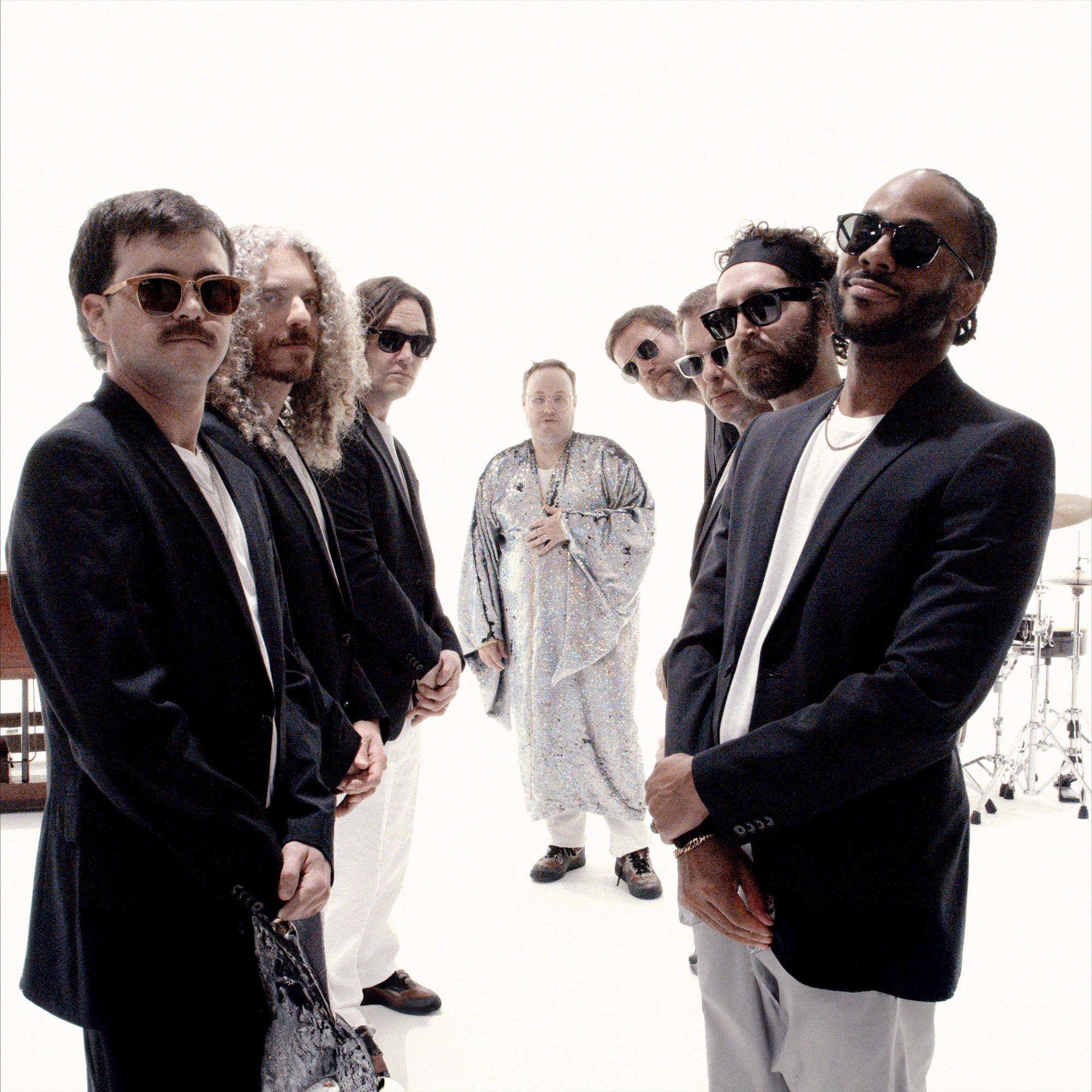
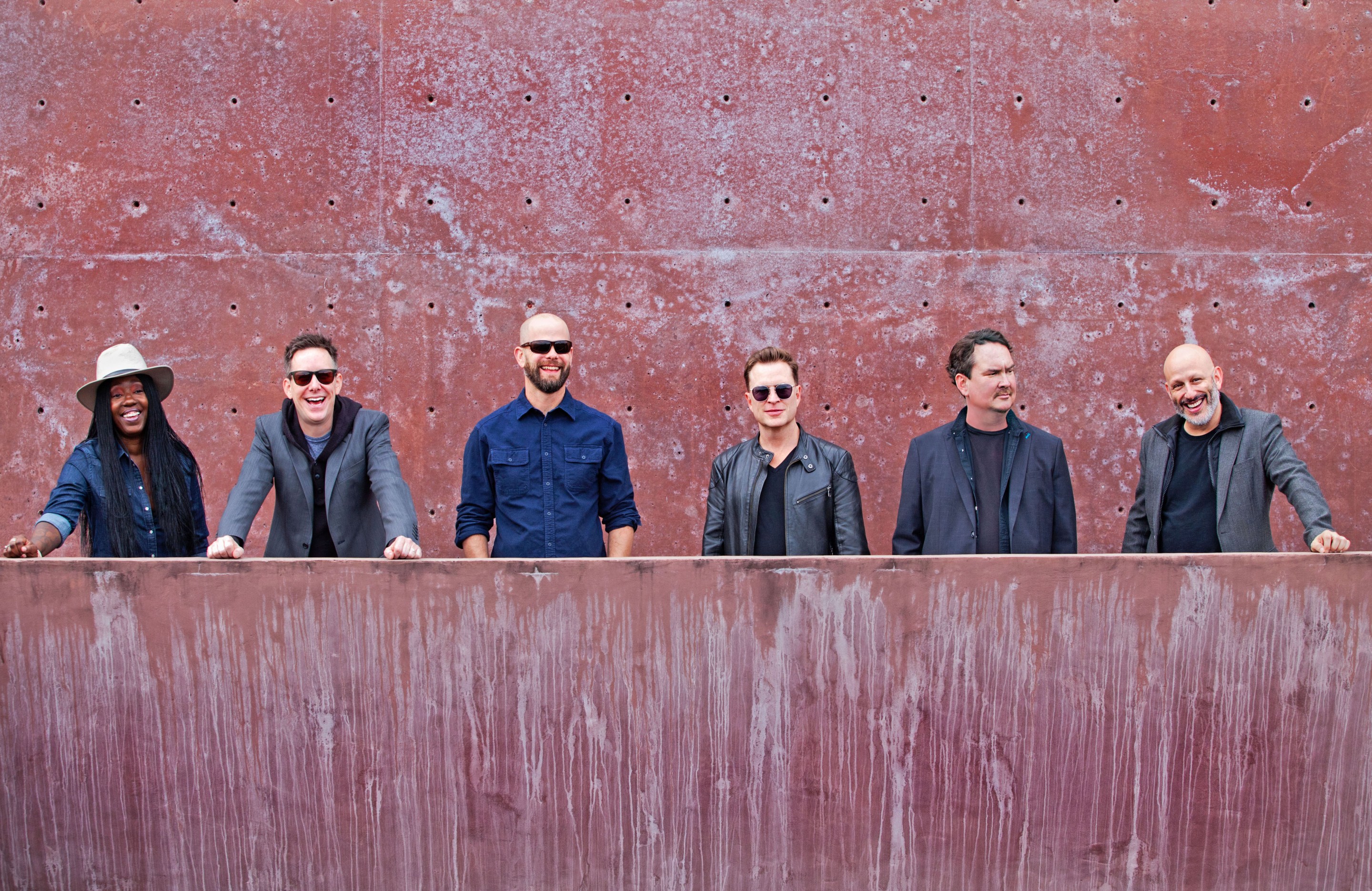
Galactic have pushed the Crescent City’s sonic boundaries for over 25 years. Now, as Tipitina’s freshly minted owners, the band officially holds that funky legacy in their hands.
This article is part of our 50 Years of Jazz Fest celebration and appears in the special Collector’s Edition April/May 2019 issue of Relix. Subscribe here using code NOLA50 and get 20% off.
Stanton Moore lived out one of his wildest dreams the first time he set foot in Tipitina’s. As ateenager growing up in New Orleans, the drummerattended weekly youth jazz workshops in thevenerable club named after a song by ProfessorLonghair. Soon after arriving there, he met and hada chance to play with one of Fess’ collaborators andan early musical idol, Johnny Vidacovich. Littledid he know that three decades later, he’d not onlybe able to cross the venue’s threshold whenever he wanted, butalso see his own group’s name on the club’s lease.
At the end of November 2018, Moore and his bandmates inveteran funk outfit Galactic purchased the legendary spot, whichhas served as their unofficial homebase since their formative yearsin the Big Easy.
Galactic first played Tipitina’s as the opening band for CowboyMouth during a Tulane homecoming celebration, but that was hardlythe members’ first time in the building. Recalling the myriad musiciansthat they saw at Tip’s in their younger days, Moore lauds the diversityof acts that rolled through the building. A Saturday night show couldfeature anyone from The Meters to Fugazi to Soundgarden, followedby a Sunday packed with youth classes and an evening Fais Do-Dowith Bruce Daigrepont (who, Moore says, is one of the very fewpeople who have headlined Tip’s more than Galactic).
Both Moore and his bandmate Robert Mercurio refer to theprocess of negotiating the purchase of Tipitina’s as an arduous,stressful and emotional endeavor—what was once a pipe dream fora group of young musicians slowly became a tantalizing possibility.The closer they got, the more they wanted it. But the work is farfrom over.
“It’s not like we won the lottery—‘Yay, now we own Tipitina’sand we can all buy pools!’ We just agreed to a huge responsibilityof overseeing this cultural legacy and this place that means a lotto a lot of people,” Moore says, checking in from backstage beforeGalactic’s soundcheck in Pittsburgh. “We probably wouldn’t havedone this if it was any other place. We weren’t looking to own a baror be music-club owners, but we are very interested in preservingthe cultural importance of our favorite place on the planet, whichis Tipitina’s.”
But they won’t be alone in that effort—many of the staff thathave been at the venue for years will continue to work underthe new management, much to Galactic’s relief. Although theyfeel that they do have a unique perspective on running a venuelike Tip’s—from attending shows there as fans to headlining thestage countless times, along with their vast experience with othervenues around the world—this is their first attempt at actuallyoverseeing such an operation.
“When we had our first meeting, it became really apparent howdedicated the upper-level staff is and how much they were keepingthe club going,” Mercurio, Galactic’s founding bassist, says whilecalling from the band’s tour bus before the same recent Pittsburghdate. “We were really fortunate to inherit a great team that knowsthe ins and outs of the club. It would’ve been a huge undertakingto also staff it and all that. It just needs a little bit of help, includinguntying the hands of these people—they were held back a little bitbecause the previous owner wasn’t the most involved. So they’relike, ‘This is amazing; you guys answer your phone when we call!’Hopefully we can expedite movements—we just want to take whatit is and make it better. There’s not gonna be chandeliers in there,no red velvet hanging around. But we’re trying to improve areasthat we know how to improve from our experiences.”
“And by ‘make it better,’ we don’t mean renovate and put tile onthe dance floor,” Moore chimes in. “We mean give it the space thatwe can give it so that it can be the best version of itself. We don’twant to change the vibe of the place; we just want to make sure thateverything functions properly. We want to keep the funkiness of it,but just make it a little less gross.”
Galactic's story is part of a long journey from the suburbs of Washington, D.C., to Uptown New Orleans—one that started with a couple of wide-eyed East Coast teens getting an immersive, firsthand lesson in the rich musical landscape of the Crescent City. In 1990, two former punk-rock kids from Chevy Chase, Md., who knew more about Bad Brains than they did about The Meters—Mercurio and guitarist Jeff Raines—made their way down to the Big Easy to attend college and play some music. Almost three decades later, Galactic have released their 10th studio album, Already Ready Already, and are the more-than-proud owners of a NOLA cultural institution.
“Moving to New Orleans when we were 17-18, we had put thepunk music behind us—our tastes had changed at that point,”explains Mercurio. The bassist also notes that he and Raines hadalready started to explore some corners of the funk world throughrereleases of Parliament Funkadelic and James Brown albums,along with newer material from Red Hot Chili Peppers, whohelped them bridge the gap between punk and funk.
“And we came to this city that is just so full of R&B, funk, souland brass—it was just like going to Disneyland as a kid!” Mercuriocontinues. “Like, ‘Oh, my god; this club has this band and thisband!’ And all the record stores—I just started buying up all theseused Meters and Neville Brothers records, and anything that washitting us at that time. It was really eye-opening because, truthfully,I wasn’t that aware of New Orleans music like Rebirth or DirtyDozen. So it was a huge experience for both of us to be exposed toall that, and we just fell in love with it—and maybe went out to toomany night shows. But, it was an education in music for us.”
A few years before that, Moore had a similar awakening, though his tutelage in the genres his home town is known for began earlier than that of Mercurio and Raines. All three musicians found themselves at universities in the city—Raines and Moore at Loyola, Mercurio at Tulane—and began to run into each other thanks to the town’s web of late-night music venues. Mercurio met Moore first at a low-key jam session organized by a mutual friend, guitarist Rob Gowen.
“[Rob and I] were both in the jazz department, but a little bitfrustrated and wanted to play some funk,” Moore remembers. “Robwas like, ‘I met this bass player; he plays funk and he’s a really cooldude.’ So I showed up at Rob’s house, brought over my drums, andwe just played in a bedroom and had a blast. Shortly thereafter, Iwas out at one of these night shows at Tipitina’s and bumped intoRobert, who was like, ‘Hey, here’s my buddy Jeff. He’s that guitarplayer I was telling you about, and we have that band togetherfrom D.C. We know you’re playing a lot of gigs, so you might be toobusy, but would you know any drummers that would be interestedin playing some funk with us?’ And I said, ‘I wanna play funk!’”
Moore was indeed already busy with a variety of musicaloutlets, building his burgeoning résumé as an in-demand drummeraround New Orleans by playing everything from traditional jazzon sunny riverboat casinos to Zeppelin- and Sabbath-influencedrock in dingy bars with a group called Oxenthrust. But, GalacticProphylactic—which was the early-‘90s moniker of his band withMercurio, Raines, keyboardist and fellow Loyola student RichVogel and a few other players who have since departed—eventuallystood out from all those other projects.
“I was playing with everyone that I possibly could, just trying toget my foot in the door,” Moore says. “Sometimes I would march ina Mardi Gras parade with a snare drum in a traditional brass bandand then run from that, change in a bathroom, and play a nightshow with Oxenthrust or with Galactic Prophylactic. I was justpicking up every kind of gig I could possibly do.”
Soon after, Moore also started drumming in the New Orleans Klezmer All Stars—filling in for Willie Green, who couldn’t travel with the band due to his commitments to The Neville Brothers—where he met Ben Ellman, a saxophonist who became the next recruit into their nascent band. The members of Galactic also struck up a friendship with veteran singer Theryl DeClouet, better known as Houseman, who agreed to contribute to the group’s 1996 debut, Coolin’ Off, despite being significantly older than the twentysomething musicians and having never played with the ensemble.
“He performed at Benny’s Bar, which isn’t there anymore, but it was a very popular late-night spot Uptown where shows went until 4 or 5 a.m. every night of the week. It was kind of crazy,” Mercurio says. “It was a club that Jeff and I frequented—it turnedout Stanton did, too—and Theryl performed with this band MichaelWard and the Reward. As anybody who ever crossed paths withHouseman knows, he was friendly to fans, very welcoming. We’dgo see his band and started becoming friends with him. Then forCoolin’ Off, we were just like, ‘We have this guy who we think couldbe a cool singer on the record.’ It just came together, last minute,during that session.”
From there, DeClouet began gigging around New Orleans andwith Galactic adding to his repertoire with the band, which ledthe members to invite him on the road with them. And—though itsomewhat baffles the bandmates today—DeClouet agreed.
“Looking back, we’re all like, ‘Man, that’s so amazing that thisguy—who was basically our age now—was willing to take a risk andjump into a van with a bunch of kids.’ I mean, I don’t think I woulddo that,” Mercurio says with a laugh. “There’s this up-and-comingband and they’re like, ‘Come on out! Maybe you’ll make 10 bucks anight. Maybe there’ll be a $50 night. We’ll be sleeping on floors.’ I’dprobably be like, ‘Eh...’”
DeClouet passed away in July 2018, well over a decade afterparting ways with Galactic in 2004, when complications fromdiabetes forced him to scale back his touring, but his bond with theband never wavered. After his death, Galactic shared a heartfeltnote, while Mercurio’s personal statement referred to DeClouetas being “like a second father,” and the bassist credits him withhelping the group achieve the popularity they still enjoy today.
“He was just so good at hanging with the fans,” he says.“Everybody that met him loved him, so it really helped ingratiateus with them. He was definitely more of an extrovert than any ofus are.”
“We were all a little bit more introverted—maybe evenshy,” Moore adds. “At the time, if I saw somebody I wanted totalk to, like another musician I admired, he would just start aconversation with that person. Next thing you know, he wouldknow all about their family and was friends with them. He wasvery open in that way.
“What was invaluable about our time with him was that heactually grew up at the time that most of our favorite musicianswere making music,” Moore continues. “All of those Metersrecords that we grew up loving, those James Brown records—hewas around when those came out. And he was friends with TheNeville Brothers/Meters organization. So with us striving tofollow in that legacy, he was a connection to a world that, for us,was fascinating. He lent some legitimacy to what we were doingin the early days, and he was an evergreen well of stories. I’m stillamazed that he was willing to come jump in a 1978 van and tourthe world with us. That van was our traveling university, and hewas the professor.”
DeClouet's departure, after four studio albums and one live release, marked a new era for Galactic and, rather than replace the singer, the band focused more on their instrumental side for a couple of years. But that collaborative itch returned, leading the group to fulfill one of their longtime wishes by reaching out to a number of artists from the hip-hop world for 2007’s From the Corner to the Block, which featured guests like Juvenile, Jurassic 5’s Chali 2na, Blackalicious’ Gift of Gab, Boots Riley and more.
That record only deepened Galactic’swell of influences, opening the door forthe long line of guest vocalists that haverecorded and toured with the band in theensuing decade-plus. The list of featuredartists on Galactic’s albums is nothingless than an all-star collection of NewOrleans staples and musical icons, bothpast and present, including the late AllenToussaint, as well as Mavis Staples, CyrilNeville, Walter “Wolfman” Washington,Macy Gray, Irma Thomas, Rebirth BrassBand, Trombone Shorty, Big Freedia andIvan Neville. The band has also touredwith vocalists like The Revivalists’ DavidShaw, Corey Glover, Maggie Koerner andErica Falls, who has been with Galacticfor over four years now and is one of thefeatured singers on Already Ready Already.(As Moore fondly notes, Falls’ contributionto the record, “Touch Get Cut,” was bornout of the handwritten labels the singerwould put on her food on the tour bus after“anonymous” band members refused tostop eating it before she could.)
“It was great chemistry right off the bat,” Falls says, recalling her first couple of gigs with Galactic after Ellman saw her perform with trombonist/ bandleader Corey Henry, a former touring member of Galactic. “Sometimes you have to find that fit, but it came quite naturally. It started off really well, and it’s been on an upswing ever since. I think the connection of [New Orleans] being our stomping ground helps. It’s been a great ride—great chemistry on and off the stage, and most people can’t say that. When you can have a great camaraderie like that, it says a lot about the people, outside of being musicians.
“It’s an environment of family,” Fallscontinues, noting that, while she and theband members share a fair amount ofmusical influences, there are also momentsof learning on both sides, like how Ellmangot her into NOLA bounce music. (That,in turn, lead to Falls appearing on the titletrack of Big Freedia’s 2018 EP 3rd WardBounce.) “For a small space on the bus, it’squite peaceful. Everybody has their roles.Our tour manager, Chris, is the bus mom.I’m the bus wife—I help them find stuff.[Laughs.] ‘Where’s my jacket? What do youthink about this shirt?’”
Though they first gained local traction asa purely instrumental outfit—and can stillfall back into that mold without missing abeat—Galactic have also naturally startedto follow in footsteps of their idols TheMeters and Booker T. & the M.G.’s, bothof whom played on countless studiorecordings by other artists while helpingshape the influential sounds of theirrespective musical spheres. But, as Mooreexplains, they’ve had to adhere to a different playbook than their predecessors. “We’d hoped to be called on to be the backing band for lots of artists that we respected but, just with the way that times change, there are less studio sessions like that,” he says. “So we kind of flipped the script—instead of getting the call to go support artists that we would want to support, we started calling them. In a way, we’ve become an instrumental band that backs up a lot of different vocalists, but not in the traditional way. We’ve created that situation for ourselves. So we’re very much influenced by those models and those bands, but have approached it from a different angle—almost like the reverse angle.”
That approach has helped Galactic stay relevant and successful throughout theircareer, which has weathered a numberof sea changes in the music industry. Andthough New Orleans continues to be a citystoutly dedicated to keeping its storiedtraditions alive—music, chief amongthem—not everything can stay the same,and Moore laments the fact that, thesedays, someone walking down FrenchmanStreet is more likely to hear a cover bandplaying in a local bar than a group creatingtheir own music. (“It’s all about how manyheads can you get in the club and howmuch alcohol you can sell, and guess whatsells more alcohol: a band playing originalmusic or a band playing ‘Sweet HomeAlabama’?”)
One thing that hasn’t changed for manyyears, however, is Tipitina’s—except forthe name on the deed, of course. And itsnew proprietors plan to keep that traditionintact—memories and all.
“Depending on who you talk to, there are different sets of magical moments,” Moore says of the enduring venue, listing his own memorable shows like Bad Brains (“On the first note, somebody stage-dove and landed on my head”), Bootsy Collins (“God, he was incredibly loud”) and countless Meters gigs. “You could talk to other people who are like, ‘I was there the first time Professor Longhair played there and they had just named it Tipitina’s after it was the 501 Club.’ Or ‘I was there when Dr. John played there for the first time.’ And these people are still around, and we’re friends with a lot of them. It’s a place where so many different types of musical moments have happened and continue to happen. And that’s what we want to do: continue creating these experiences where the patrons and the musicians walk away like, ‘Oh, my god, that was amazing. Can you believe that just happened?’”
This article originally appears in the April/May 2019 issue of Relix. For more features, interviews, album reviews and more, subscribe here.