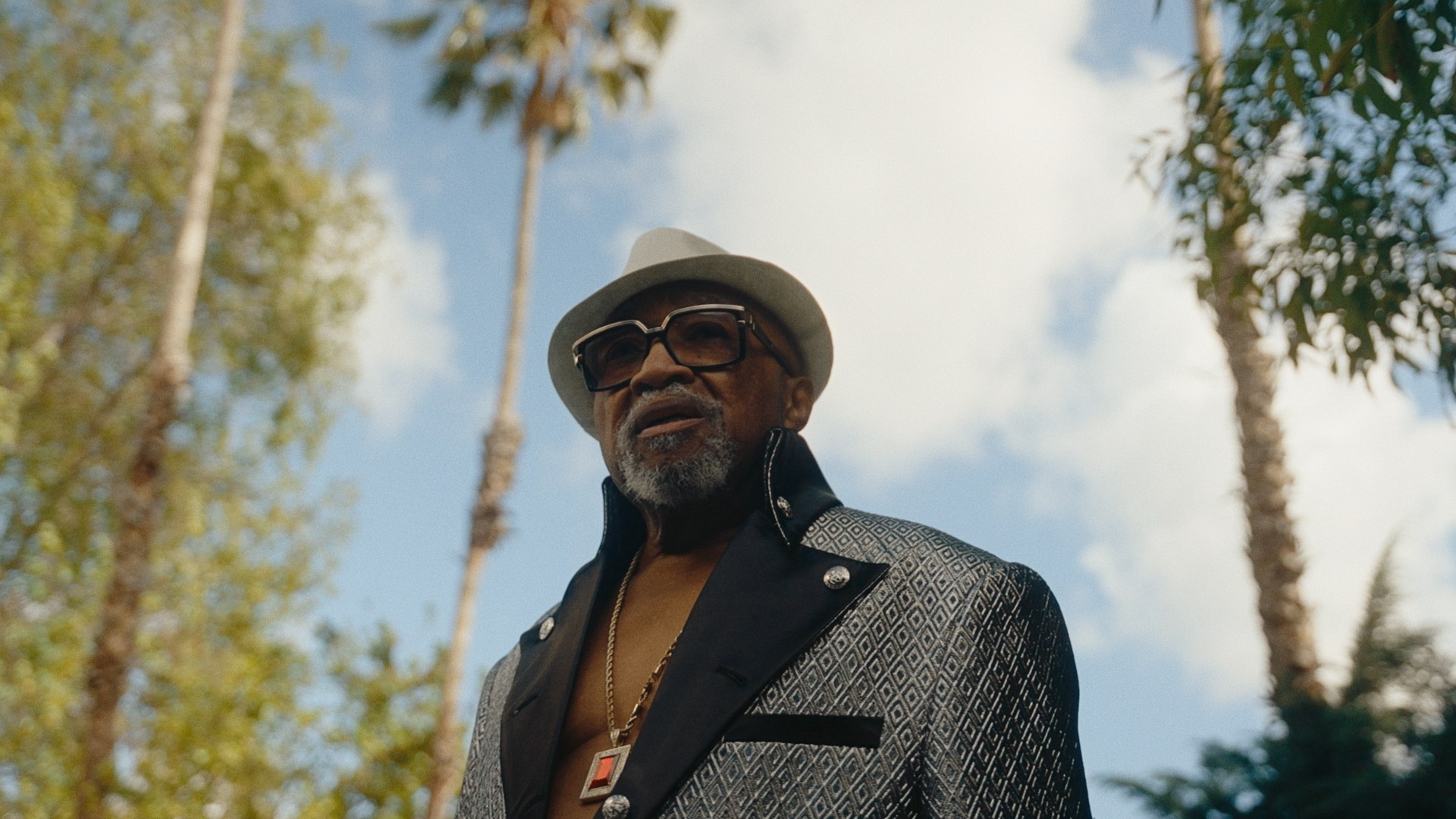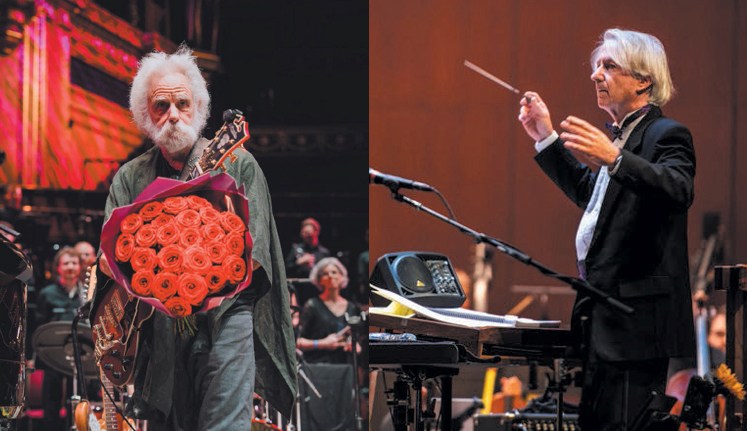

photos by Olivia Bee
Whitney turn in a sophomore set full of lonely heartbreak songs so clear and beautiful they’re also universal.
It's late morning in early July, and Max Kakacek and Julien Ehrlich are weary but wide-eyed.The evening before, they arrived at a rural cabinoutside Grand Rapids, Mich., with their wholeband in tow for a week of rehearsals. The plan wasto show up, unpack and enjoy a restful first nightat the Airbnb gem they rented. Instead, the menof Whitney practiced until 5 a.m. To say they’reexcited about the upcoming release of ForeverTurned Around, the band’s sophomore album,would be an adorable understatement.
“The only day we’ll take off will be July 4, though we’re not feeling very patriotic right now,” says Ehrlich. “But you can get some pretty fun fireworks in this part of the country.”
After finding fast, buzzing success as part of late-2000s, barely-legal indie-rock darlings Smith Westerns, Ehrlich and Kakacek have grown into seemingly wise elders of a world that nearly chewed them up and spit them out. Despite being crafted by two songwriters still in their 20s, Forever Turned Around is a gorgeous, thoughtful, lovelorn pop-rock record that packs in a career’s worth of twists and turns.
Though Smith Westerns have been shrinking in Whitney’srearview since the latter band began in 2015, the former’sexplosion—and then implosion—was critical in informing howEhrlich and Kakacek wanted to make music. It also meant that theduo had learned what not to do.
With 2011’s breakthrough Dye It Blonde, Smith Westernsbecame an underground indie phenomenon, with glammed-upguitar riffs and frontman Cullen Omori’s effortlessly cool vocals.Kakacek and Omori were part of the band’s musical core from thebegining; Ehrlich joined up after leaving his post as drummer forUnknown Mortal Orchestra. But by 2014, everything just felt off.
“It wasn’t one fight that ended it. It was slow and painful;everyone knew whatever was happening wasn’t healthy,” saysKakacek. “We waited until the tour was over to admit it toourselves. [Another] album would have been like the next step in arelationship—like committing to moving in together. We thought:We either need to take the next step or just call it off altogetherbecause this is unhealthy for everyone.”
The split made headlines—a band on the rise stopped in itstracks—and Kakacek and Ehrlich, living together in Chicago, tookover a year to regroup. They continued to toy with the idea ofmaking music, but not in the present tense.
“We both knew we didn’t want to put that pressure on ourselvesagain,” remembers Ehrlich. “If anything was going to happen, ithad to come out of a place of love, not a place of fear. Us with ourbacks up against the wall—that’s not how we create the best work.”
For months after Smith Westerns called things off, the twobegan casually tossing around melodies in their apartment. Theysounded good; simple and sweet. Lyrics started to come. They’dself-recorded a half-dozen songs before the thought even arose:“Are we forming a new band?”
“We turned to a few of our friends and said, ‘Hey, do you wantto be involved in this?’” says Ehrlich. “Everything was so natural.Some people write one song and declare they’ll be the biggestband ever. But we were just having fun recording, letting it unfoldnaturally.”
Their demos soon became Whitney’s 2016 debut, Light Upon the Lake, a collection of deliciously simple, country-, folk- and soul-leaning pop songs, with Ehrlich on the drums and falsetto vocals, Kakacek’s shimmering lullaby guitars and a handful of friends stepping in on trumpet, keys and bass. The tune “No Woman” was one of the year’s biggest breakout indie hits: inescapably catchy, breezy and melancholy at once, somehow perfect for both falling in love and breaking up playlists. And that was Whitney’s magic: heartbreaking tunes as sweet as sugar.
The intimate, original demos were released the following year,and Whitney hit the road hard, earning indie-rock royalty statusfor the second time in a decade along the way. They returned hometo Chicago and slowly, naturally, began to write once again.
“We got a little idea in our heads: If the first record was a breakup record, from the vantage point of looking back on thefailed relationship, then these new songs would form a marriagerecord,” says Ehrlich. “You’re immersed, in the eye of the storm, inthe ups and downs, but you want to stick it out. It’s a commitmentrecord, acknowledging that change will always play a part in life,but you’re trying to hold it together.”
Those themes—the same that floated Smith Westerns beforetheir inevitable end—paint Forever Turned Around with abittersweet stroke. The album’s 10 songs are gently filled withlonging, uncertainty and resistance to change, brutal emotionssoftened by gorgeous melodies and soft-swaying grooves, crackinga smile through tears.
“I never want to fade away/ Wanna turn as the seasons change/And every time you come around/ Well, the days of the yearjust slow down,” sings Ehrlich on “Valleys (My Love).” Atop thetwinkling guitar melody of “Song for Ty,” Ehrlich wonders, “Tellme everything stays the same/ Will we meet again down the way?”before the sun shines through for the chorus: “Anything couldhappen.”
It could, right? Whitney is proof.
The band culled Forever Turned Around from sessions in variousstudios, including Justin Vernon’s April Base, with productionhelp from Foxygen’s Jonathan Rado and longtime Justin Vernoncollaborator and Megafaun member Brad Cook. It was mixedby Tucker Martine—whose credits include Modest Mouse, MyMorning Jacket and The Decemberists. The big names behind theboards added a new layer of faith to these bare, uncomplicatedtunes. The album’s sound is undeniably fuller than Light Upon theLake, flush with strings and horns and organs, and with a twirling,trumpet-led instrumental, “Rhododendron,” at its halfway point.
“These songs are definitely pretty heavy, talking about darkerthings in life,” says Kakacek. “So we wanted to put a track in to letloose with some stoner goofiness.”
It’s not a major departure from their debut. Rather, it’s a refiningof what makes Whitney Whitney—the universality of heartbreakand loneliness, conveyed through melodies so clear and beautifulit’s a wonder they’ve never been uncovered. It is full of songs tocradle a bruised heart in blankets and reassuring whispers; songsthat feel warm, and even familiar, on first listen before.
“We know this album is darker, maybe less hopeful than the last. But we still tried to put as much hope in these songs as we could,” says Ehrlich. “I mean, we wrote the record about real relationships. Relationships we are still in. We both go through the ups and downs, but we’re pretty stable.”
This article originally appears in the September 2019 issue of Relix. For more features, interviews, album reviews and more, subscribe here.