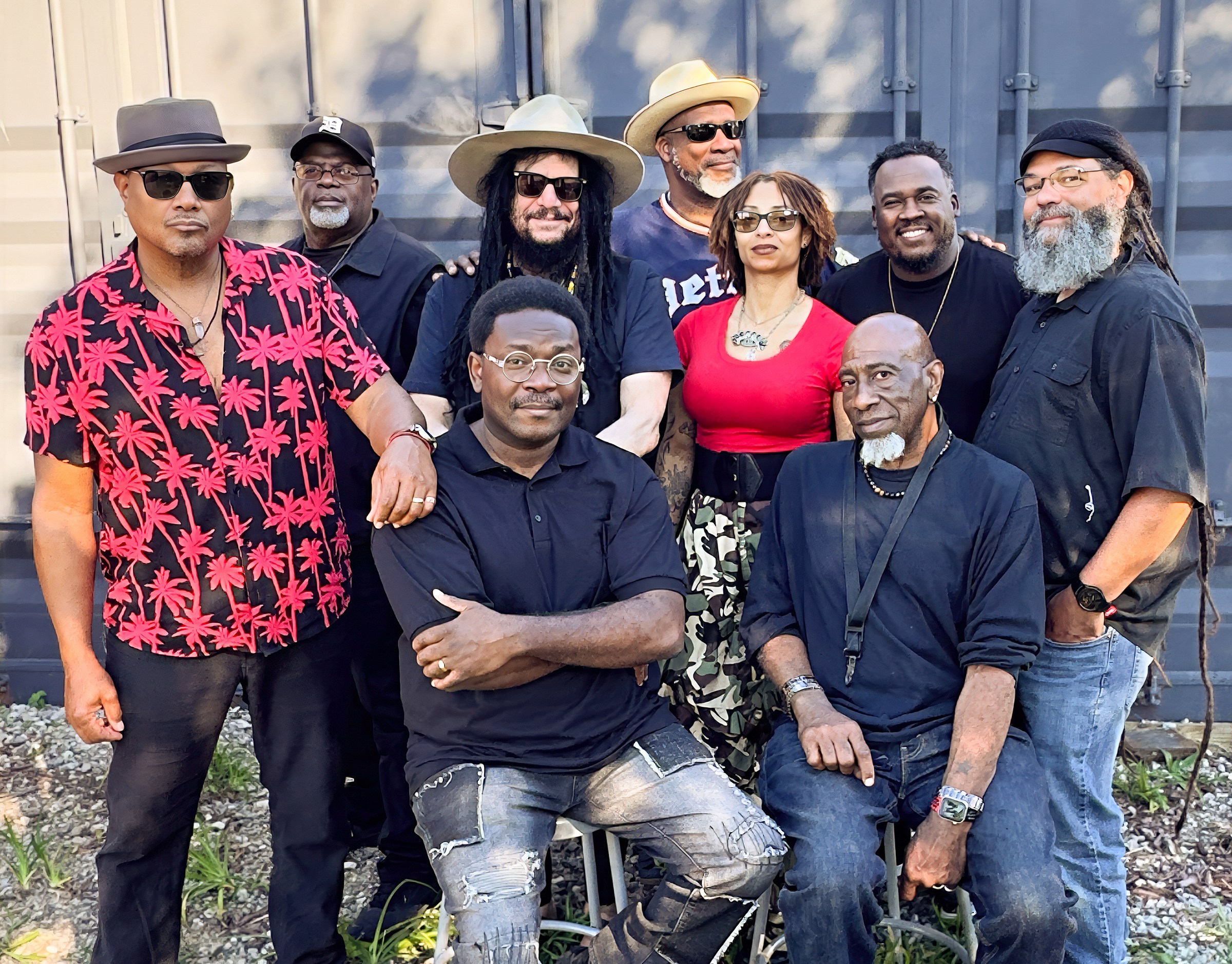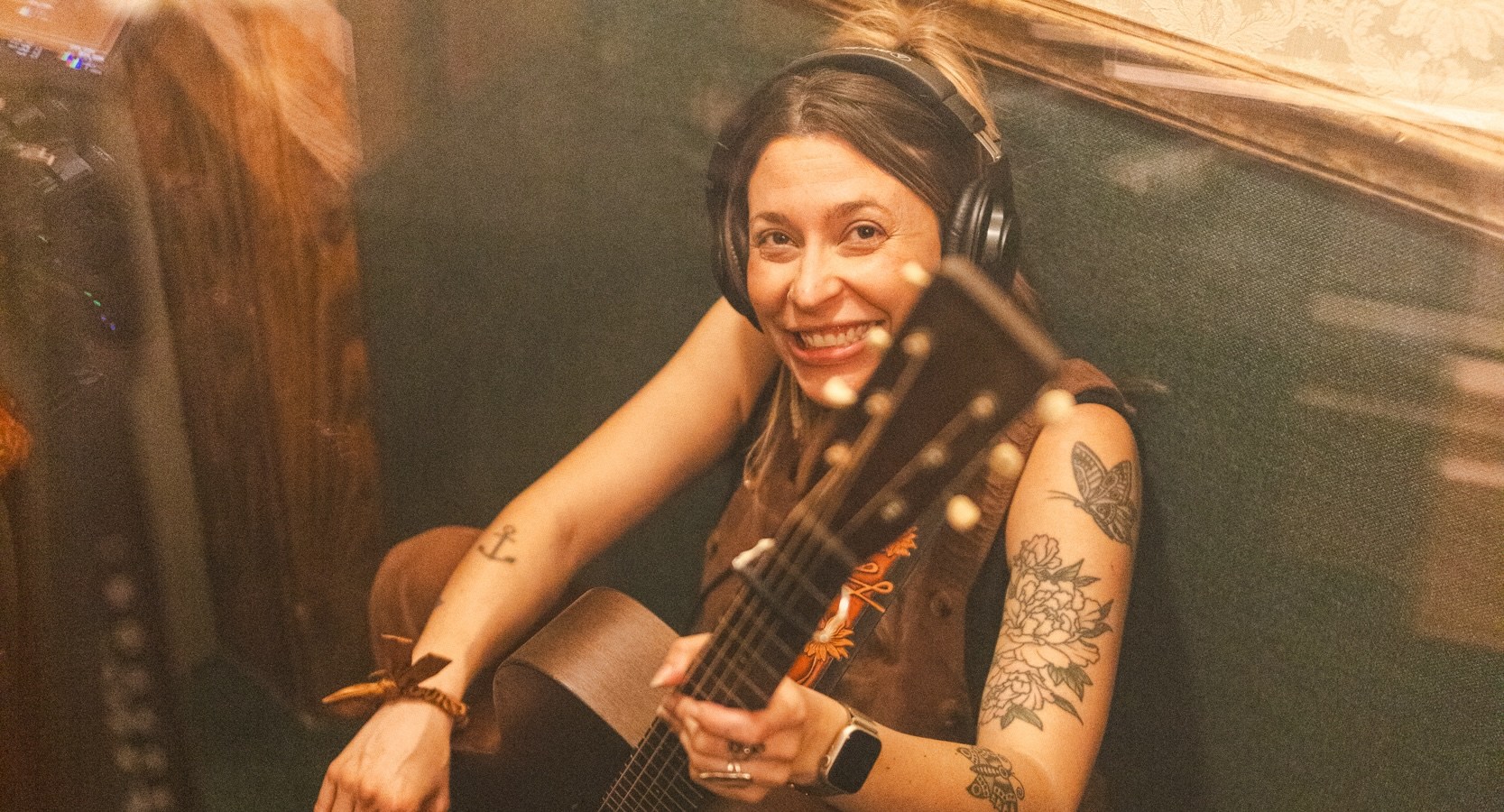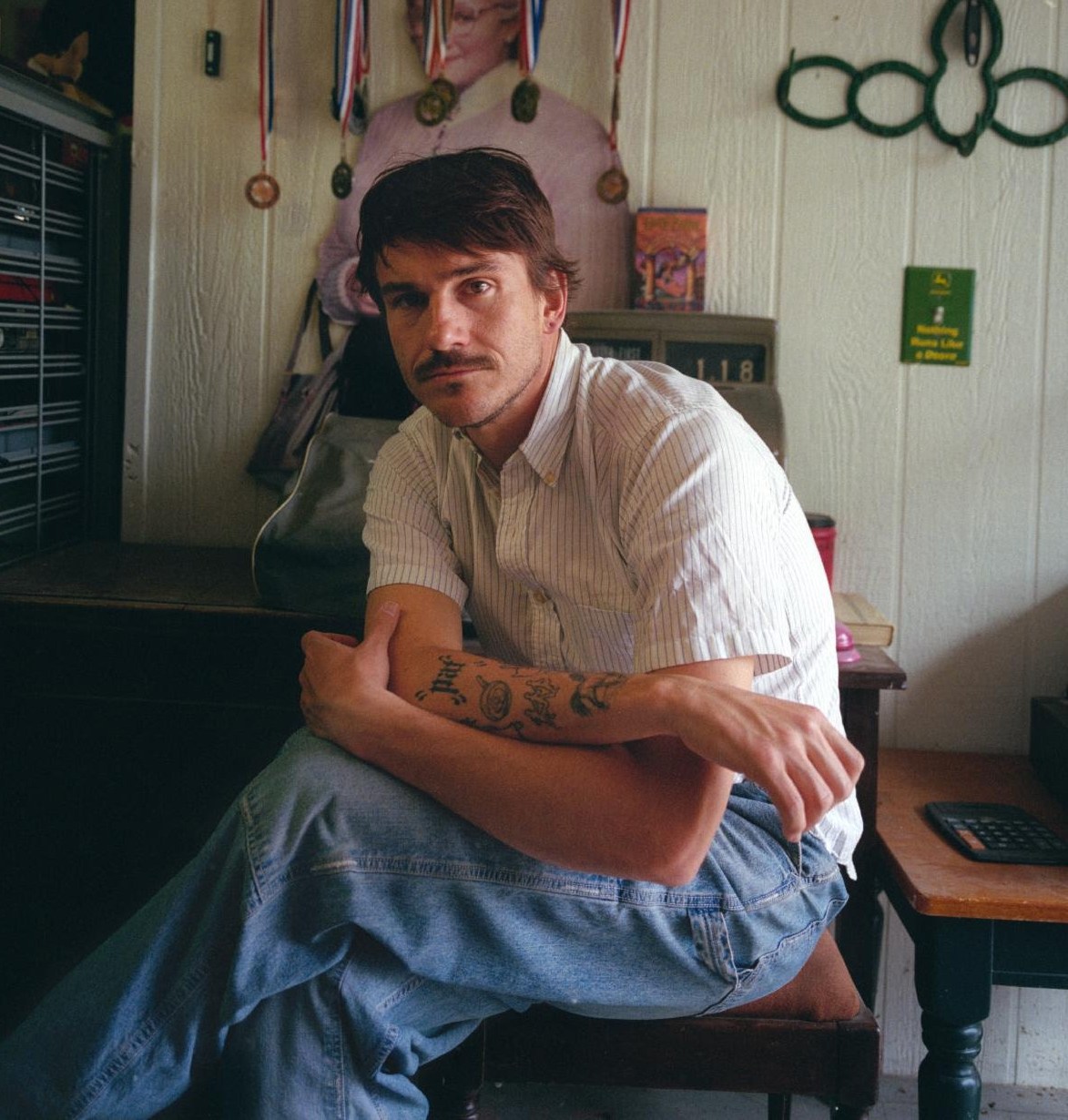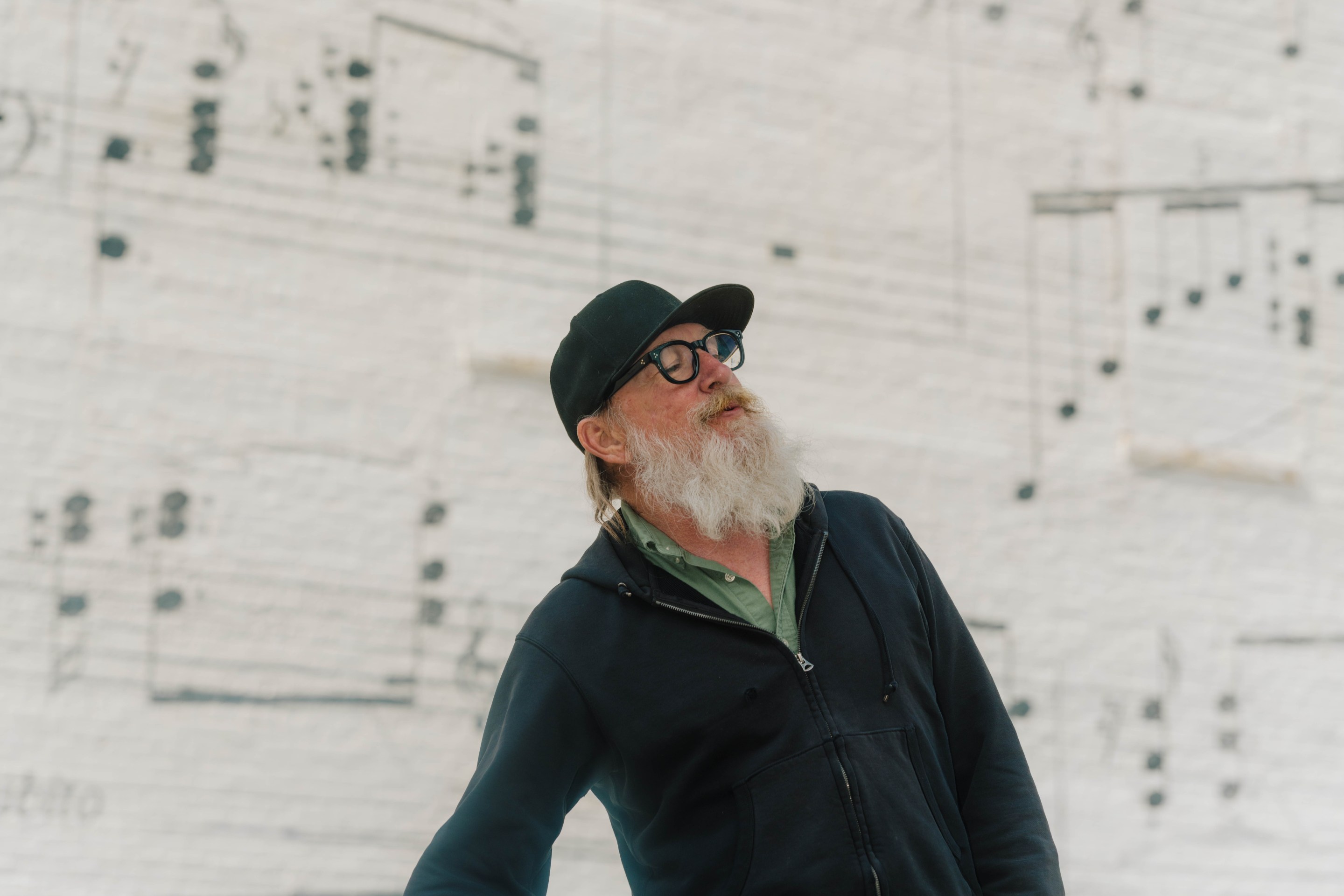
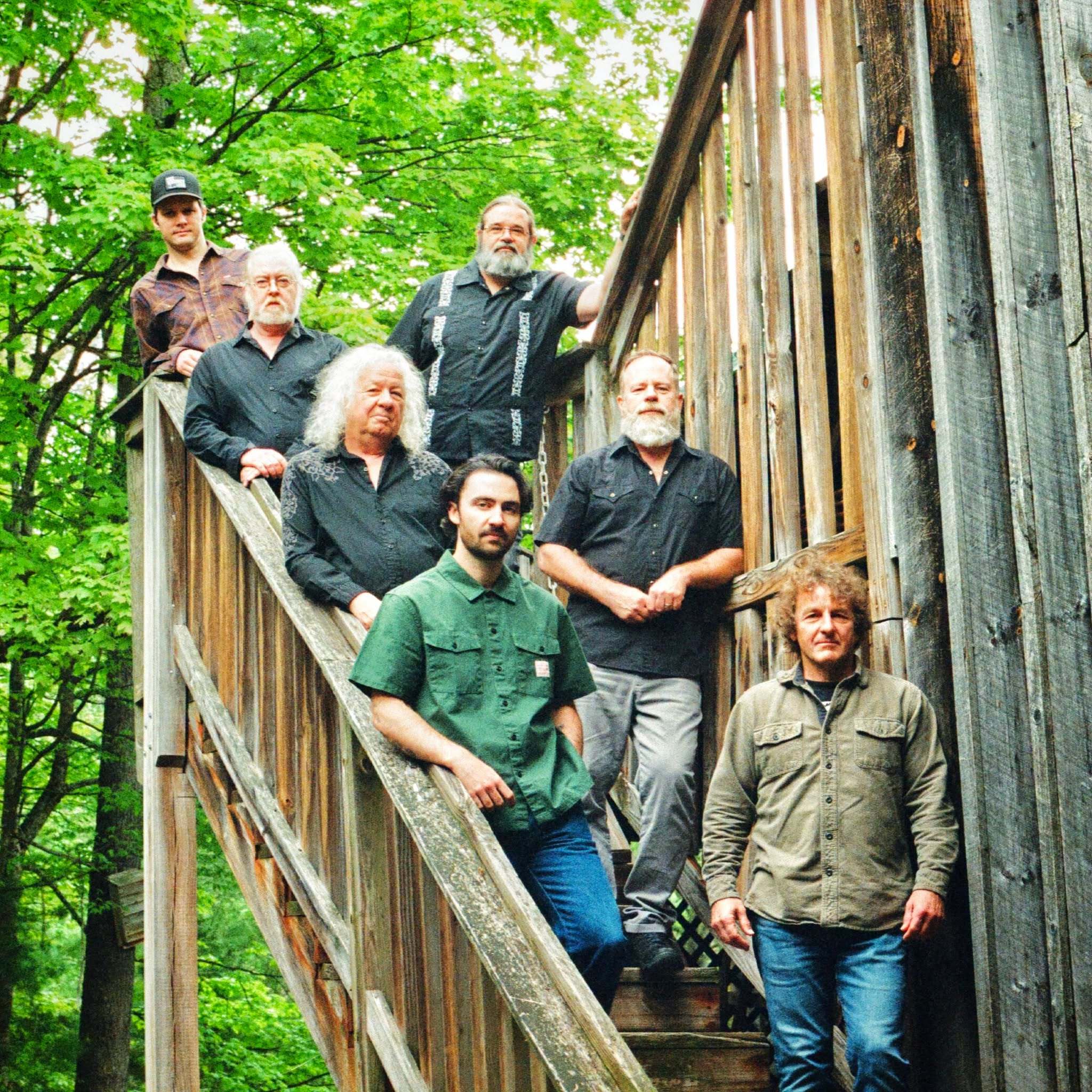
The enduring New Jersey roots act celebrates a quarter century together with a new record, fresh lineup and deeper understanding of their shared history.
25 Years, and That’ll Happen


Todd Sheaffer: The original idea for the 25th anniversary celebration is that we wanted to get out, play some shows and have a little celebration after all these years. We wanted to get back to some places we hadn’t been in a while like California, where we used to play pretty consistently. But, mostly, we wanted to finish up the new record, Will of the Water, and get it out. We also went through some lineup changes, so there were some curveballs that we weren’t expecting. We were hoping to get some back-catalog stuff out for release, and we did dig out some old photos, but the main focus ended up being on the new album and moving forward, as it should be. We also ended up on a new label, Ineffable, and we wanted to get the new band out there.
One of the main goals was to capture the band on the record, which was the band at the time. In addition to the core group, we have Matt Slocum on keys, who we’d never made a record with. We had also never made a record with Dave Speranza on bass and [multi-instrumentalist] Mike Robinson. That version of Railroad Earth was a wonderful band that we’d been touring with for a few years, and there was a lot of synergy. There are some great moments where you can hear the band doing its thing.
Matt has become pretty prominent in the band, and on this record he’s a writer—he helped me with a couple of tunes, and he wrote another one with Mike, “Waiting For You,” which Mike sings. Timmy also has two songs on this record. Normally, he’d have one, but he has two on this one. We opened up the canvas to a bunch of different things—pedal-steel, for example, which we’d never had before. [Founding member Andy Goessling, who passed away in 2018] played dobro and some lap-steel but pedal-steel’s a new voice for us. Mike does some tremendous stuff, in addition to our usual palette, with a lot of banjo, acoustic guitar, fiddle and mandolin. Dave has such a unique, beautiful feel and touch on the bass. He’s such a great guy. It was really fun making a record with him. On this one, I also wrote “Whiskey Train” on a mandolin, something I don’t do a whole lot. So there’s some new stuff on this record because the players have changed throughout the band’s history. 25 years, and that’ll happen.
Tim Carbone: We were aiming to put out a photo book demonstrating the whole life of the band, but then we ran into some financial situations and weren’t able to do that the way we wanted to, though we still hope to. We got really serious about the photo book before Andy passed, and then we had a world of trouble getting up and running again. We replaced him with Matt, who’s a great keyboardist and a great guy, but we ended up having to augment things and have different people sit in on banjo and acoustic guitar because that’s the sound of the band. Almost 70% of Railroad Earth songs have banjo on them.
So we went through this whole thing and were really killing it with Mike on guitar, pedal-steel and banjo, Matt on keys and Dave on bass. And then the pandemic hit, and the money started going away. Luckily, we had enough to mostly pay everybody, but it drained the bank, and coming out of the pandemic everything was down 25%—and still is. So we kind of dropped the book idea and started focusing on getting the record out for our 25th anniversary, along with some merch.
“Good Bones”
TS: We hadn’t tried out any of the songs before we recorded them. In fact, we still haven’t gotten to some of them. We worked on them in rehearsals at the new studio I put together here in North Jersey, Fort Nonsense. It was very relaxed—I didn’t open the studio as a business proposition. I opened it as a place to do my thing. I don’t record anyone else—I’ve got way too much of my own stuff that still needs to be recorded before I start working on someone else’s stuff—so there isn’t a clock ticking. The band got in there and people were pleasantly surprised. It’s a big space and I spent a good amount of time making it comfortable.
Over the course of the band’s history, we’ve done this type of thing before. We recorded Amen Corner at my house out in Stillwater, N.J., and I mixed Elko at my own studio, which was also out in Stillwater but at a different barn space. Some of our most beloved records were made that way. It’s always a mystery making records, but this one’s got that little magic. It’s nice to be home when you travel as much as we do, and that’s part of it—just being able to go home at night.
TC: It’s our best record as far as I’m concerned. Normally, the focus is on Todd’s songs, but this time around, Matt brought in some music and Mike wrote some lyrics and sang, and I brought in four songs. I knew they weren’t all going to make it on the record because that’s not what the band’s about, but I am proud of them. I wrote with Walter Salas-Humara from The Silos. I met him in Austin, where he used to live, around 1997. I kept going to SXSW and playing Austin with various people and I’d run into him. We reconnected and decided to write some songs together. He’s one of my favorite songwriters, so I was super stoked to write with him. He wrote the lyrics to “Gravity” and I wrote the music. We did “Good Bones” together as well. I wrote 75% of the music and then he co-wrote the choruses with me. He’s a great guy to write with because he’s not married to anything, he’s not too precious, and I’m very much the same way. I have 1,250 song shards on my phone. I’d play him different ideas and we’d go from there.
I knew that I didn’t have shit for songs. I had a song that I had written years ago that I tried to get onto the last record in my back pocket, but I had no guarantee that song was gonna be accepted—and it wasn’t. Literally the day before I went to our second to last rehearsal, I got up in the morning, took out my guitar and “Good Bones” popped out. I had the whole thing written before I had to leave. And then Walter helped me the following week. He came out here for two days and we finished all the lyrics and then we also wrote “Gravity.”
That song also appears on a Silos’ record, which has been out for longer than our record, but he calls it “Into Your Soul,” which is what the hook line and the chorus is. I liked the little add-on bridge, which says that gravity feels like falling. His version is also in a different key and it’s a completely different arrangement.
Forced Slow Motion
TC: Todd will tell you until the cows come up, “I don’t have anything.” Then we’ll gently push him towards making a record, he’ll write five songs and then he’ll go, “I forgot, I have these other two songs,” and they’ll all be great. When we started working on the record, we didn’t have a rehearsal space, so we were getting together at our friend’s place, which was a little difficult because not everyone lives near each other and it needs to make financial sense to get together. Matt lives in Birmingham, Alabama, and Mike and Dave are in Brooklyn, so if we were playing on the East Coast, we’d get Matt to come up two or three days early. We’d rehearse for a few days and then we’d go out on tour. So it was forced slow motion because of the logistics, but we worked on these songs for five or six months before it came time to go into the studio.
We used our own money to record it and, once again, in perfect Todd Sheaffer form, four months before we were gonna go in—after we had done all of these rehearsals—he said, “I’ve got this space I’ve been working on [with my partner] Erin.”
We all went over to look at it and it was like, “Where have you been hiding this place?” It’s a giant space in an old grain warehouse, on the second floor of this building from 1910. We made the record in the summer of 2025, in the middle of a heatwave, and we had to turn the AC off when we were recording. And to throw another curveball in there, I fell and tore my right hamstring off the pelvic bone. It was the most pain I’ve ever felt, and I’m still getting over it—doing PT and weight training a year-and-a-half later. I was severely injured. I had to use a walker and laydown between takes. I was on painkillers and Oxy.
Ninety percent of all of my takes were first take because we would record everything with a click track and so that we could edit sections instead of having to edit someone’s part. It was difficult to edit anybody’s part individually because we were all in the same room so there was a certain amount of bleed going on. But it was a great space to be, creatively and physically. It’s decorated with Railroad Earth and From Good Homes posters and funky, old furniture. It was very comfortable and we could take our time.
Guest Turns
TS: The longest standing friendship with the guests on the record is with Paul [Hoffman] on “Everything Keeps Changin’.” We’ve known the Greensky guys from way early on. Erin texts with Paul more than I do so they are great friends and part of the Railroad family—and our own personal family.
I’d never recorded anything with Paul, so it was great to hear our two voices together. I thought all the collaborations came out great—Daniel played beautifully on “Keep Your Eyes Open.” Hearing Ronnie McCoury play and pick on “Whiskey Train” brings a big smile to my face as soon as I hear it. These people are not only friends but also inspirations.
We haven’t known Lindsay Lou as long as the other guests, but we’ve gotten to know her through the musical scene and friends. She’s just a sweetheart and incredible. It’s a tough thing to ask someone to join us on a song like “Cameras” because it’s so intense, but Lindsay added such a beautiful, emotional texture to it. She added harmonies and parts that we weren’t expecting. She is one of those people who can sing anything. It’s just beautiful.
TC: For a few summers coming out of the pandemic we did these tours with Yonder Mountain and Leftover Salmon and then we went out with Kitchen Dwellers and hooked up with Daniel Donato, who was blowing up at the time. He did a great job on “Keep Your Eyes Open.” He almost took over the whole thing with his solo, but, thankfully, the first take of my solo fit his vibe, so we made it a call-and-response thing.
It was similar with Lindsay. Todd got sick and couldn’t play for a few months, so we did a tour where Lindsay sang Todd’s parts, since Todd’s got a high voice. We did some Lindsay Lou songs as well, and she was familiar with our swerve. She did a fantastic job.
Of course, we’ve known Paul for a very long time, almost as long as we’ve been a band. In 2002, we did a festival with them in the Upper Peninsula of Michigan, and I talked them into letting me produce their record Tuesday Letter and that came out well, so I produced their next record, Five Interstates. They are like brothers to us, so it was a no-brainer to get Paul to sing a duet with Todd.
And then, we’ve been playing Del Fest since it first started and have done a fair number of shows with Del McCoury Band. We love Ronnie and the whole band. Jason Carter, who has his own band now, is my favorite fiddle player, and we’ll fish together. It was another no-brainer to get him to play mandolin and sing a high harmony on the only song on the record we could call bluegrass.
A Little Help From My Friends
TS: We have Andrew Ryan playing bass now and George Guthrie on banjo and guitar. They are both fantastic and great guys. We are incredibly happy and blessed that, somehow, the universe once again has provided the right people at the right time. How that happens, I don’t know, but we feel lucky to have found them with that with the help of Mike and Dave, who already knew these folks and suggested them when they were leaving—which is how it should happen. They’re a new generation, so I get by with a little help from my friends.
They’ve both grown into their roles and have gotten more comfortable expressing their own personalities as they’ve learned the material, which can take a bit. The band sounds great. We don’t feel limited in any way. We couldn’t be happier.
TC: It was a little bit of a shock when we found out Dave was gonna leave, but we wanted to make a record with him, a snapshot of where the band was at that moment in time. That was part of the reason to make the record. And then Mike got the call to join Sierra Farrell’s band 72 hours later. We got the email—“I’m gonna have to leave the band.”
But these things have a way of working themselves out. When I was a kid, John Kennedy said that the Chinese word for chaos is two symbols. The first symbol is danger. And the second symbol is opportunity. I’m always looking for the opportunity, no matter what kind of fucked up chaos happens, and then we found George Guthrie. He doesn’t play pedal-steel, but he plays great guitar and even better banjo, and he’s a super sweet guy. These guys are all millennials and way younger than me. And what I’ve found is that millennials, in general, are always looking for the next job that may come, no matter how good their job is, so I have no illusions that we’re going to hold on to these guys for any great length of time. But it is going great now, and we have somehow survived all this crazy shit along the way. We’re like the Energizer Bunny with batteries that never gives up,
It’s not only important to us that somebody can play the music but also that they are a good hang. You are going to be on a 45-ft long, 12-foot-wide bus for weeks on end, and it’s a much easier gig if you like the people you’re with. Both Andrew and George are remarkable young men. They’re incredibly talented, super nice guys. They’re conversationalists, very intelligent and we all get along. Even if they end up moving on, we will be lifelong friends and that goes for Dave and Mike too. And Matt, who seems to be on board for the long haul. You gotta understand what we’re trying to do—our sound and where we are coming from, and they’ve added significant pieces to the puzzle.
Family Gatherings
TS: Horn-o-Plenty is our festive homecoming celebration, which is probably what a Thanksgiving show should be. It’s nice to be home, so we enjoy having Thanksgiving with the family and then Thanksgiving with the Railroad Earth family. It’s nice to see so many old friends and even old bandmates that come out for the shows. Last year, [former bassist] Andrew [Altman] and [his wife] Francine were out there, and it was great to see them. We always also have some great local bands open the shows and different people join us.
Over the years, we’ve done different things. We had Peter Rowan out during a time when we were working with him quite a bit. In the early days, it was more of a festival, but it’s settled more into a Thanksgiving get-together for the Railroad community without doing the street-wide things anymore, though we do offer some after-hours things.
First Loves and Second Musical Marriages
TS: It’s a hard thing to wrap my head around the fact that we’ve been in Railroad Earth longer than [our previous bands]. We all had musical lives before Railroad Earth came together. So in some strange ways, From Good Homes always feels like my first love and that never really changes because I grew up with those guys. I went to high school with them and started playing my first notes on an instrument with them, so it never loses that sort of innocence and that feeling.
But when I stop and think about it, which I don’t really have time to do a whole lot, Railroad Earth has been together way longer than that band—it’s not ever close. The longevity is amazing and something I don’t take for granted. It just comes down to not only the band but also the fans managing to stay together through thick and thin—and there’s been a lot of thick and thin with us. But the fans have been there and supportive, and it keeps you going. That energy keeps the whole thing rolling. We’ve been blessed to have so many good people in the band and our crew is just fantastic. I look forward to seeing them. When we go out, it’s not like, “Oh, God, him again.” It’s a good family.
TC: If you forget what you’ve learned, then you’re behind the eight ball. We’ve learned lessons, made mistakes. But, hopefully, you don’t make them more than twice. This band, essentially, came together because of blind, dumb luck. I wound up meeting our [original] manager Brian Ross at Wetlands. I was playing with a band downstairs, and he was there because the Disco Biscuits were playing upstairs. I had never heard of them before—or the term jamband.
That band was called The Bobby Syvarth Combo, and it also featured [Railroad Earth co-founders] John Skehan and Carey Harmon. Carey was out with another band for a while and when we needed a drummer, I said, “Oh, wait, Carey isn’t in a band anymore and he sings.” He sings way high in his natural voice, above Todd. That’s his real voice, not a falsetto. Then Bobby and his new wife moved to Florida to be closer to her parents. At that Wetlands show, Brian ended up staying downstairs and, during set break, he bought me a beer and we exchanged cards. He kept calling—driving me crazy—until he realized that Andy and I were playing a show with Rick Danko at Bottom Line with Kings in Disguise. We played over a dozen shows as Rick’s backup band because, most of the time, he’d play solo or duo with Professor Louie.
Brian and his wife were big fans of The Band and asked if I could get him on the guest list and I did. After that, he called me raving about Andy. We had three multi-instrumentalists in that band—each of us played at least two instruments and Andy played four. Brian said, “If you and Andy want to start a jamband, then I can help with that,” and he explained the genre to me. I pushed him off on Andy, and Andy took the ball and ran with it. He started hosting these jam sessions at his house. Brian was there playing guitar and singing for the first part and all these players came and went. Little did they know that we were trying to start a band—we never told them that. We just said, “We’re having a jam and there’ll be coffee and sandwiches.”
After the summer of 2000, when we got into the fall, Todd showed up at one of the jam sessions. The next thing we knew, it was down to just Todd, John and us. That was the beginning of the band. But it took a whole summer of jams to separate the chaff from the wheat. Of course, I had to lie to Carey because he didn’t want to join a band. He had just left a band, so I said, “It’s not a band, it’s a project.”
Hanging with Your Heroes
TS: From Good Homes was with Bob Weir the day Jerry passed away. It was a moment I will never forget—we were in New Hampshire, in the middle of a tour opening up for RatDog, when we got the news that Jerry had died. I saw Bob in the hotel lobby that morning and I told him that it felt kind of awkward opening the show that night. And he just told us to go out there, greet the Deadheads and do our thing. He said, “Do your show. That’s what Jerry would want. That’s what I want.”
So we went out there and it was a pretty epic scene. People came from all over to gather around that show and it became a real focal point for the Deadhead community to grieve together and celebrate the music and life of Jerry. The parking lot was filled to the street and there were candlelight vigils. It was a powerful experience for a young musician to be a part of. Bob handled it incredibly gracefully. He went out to Golden Gate Park for the ceremony and then the tour resumed and blew up in a big way as the Deadhead community gathered around Bob. I grew up with the Dead and the other usual classic-rock suspects. Where do you even begin with their influence? Bob was just an amazing musician and a huge influence on everyone in our music community.
TC: It’s been great working with Lenny Kaye. I consider him one of my best friends. He lives over in East Stroudsburg, Pa., and I live in Shawnee on Delaware, and they’re adjacent towns. I see him around town—he works in the studio with Don Sternecker, where I have my studio, and he’s going to write the introduction to my book, which I’m working on.
I was going to produce his solo album, but it just turned out that our schedules didn’t work out so he wound up self-producing, which was a good call because he was able to get it done at his own pace. I am on one song, and I produced his Christmas record that we put out on Record Store Day in 2023. He’ll tell me all of these great stories—a few of us will have breakfast at this cool little breakfast joint in Strassburg called The Cure once a month. It’s our little boys club.
He was working with Don one Sunday night and then he broke up the session, knocked on my door and I had just rolled a joint. I’m old school—I roll pinners. Lenny was friends with Lou Reed, so he takes the joint, looks at it and says, “Lou used to roll these joints. He said, ‘It’s a New York pinner. You can pick your teeth with it.’” They lost the directions after they made Lenny Kaye. There isn’t anyone like him.