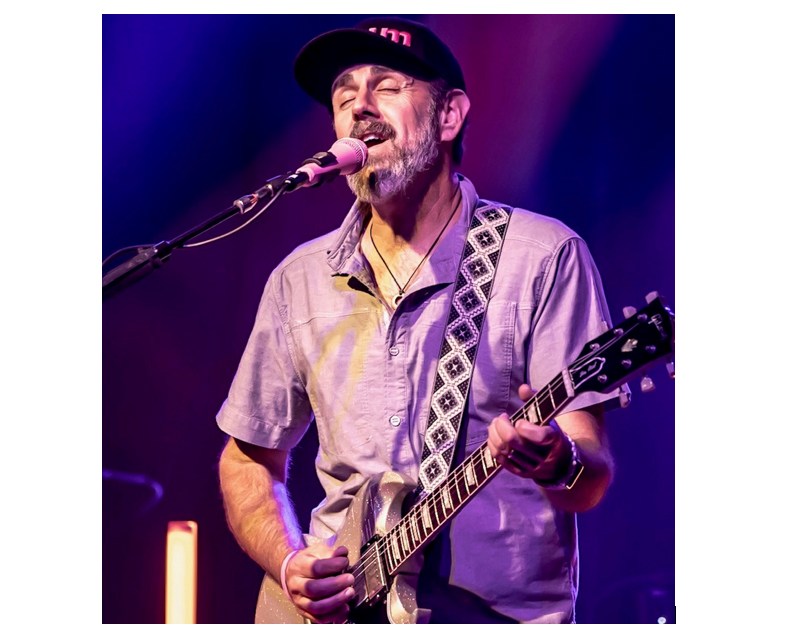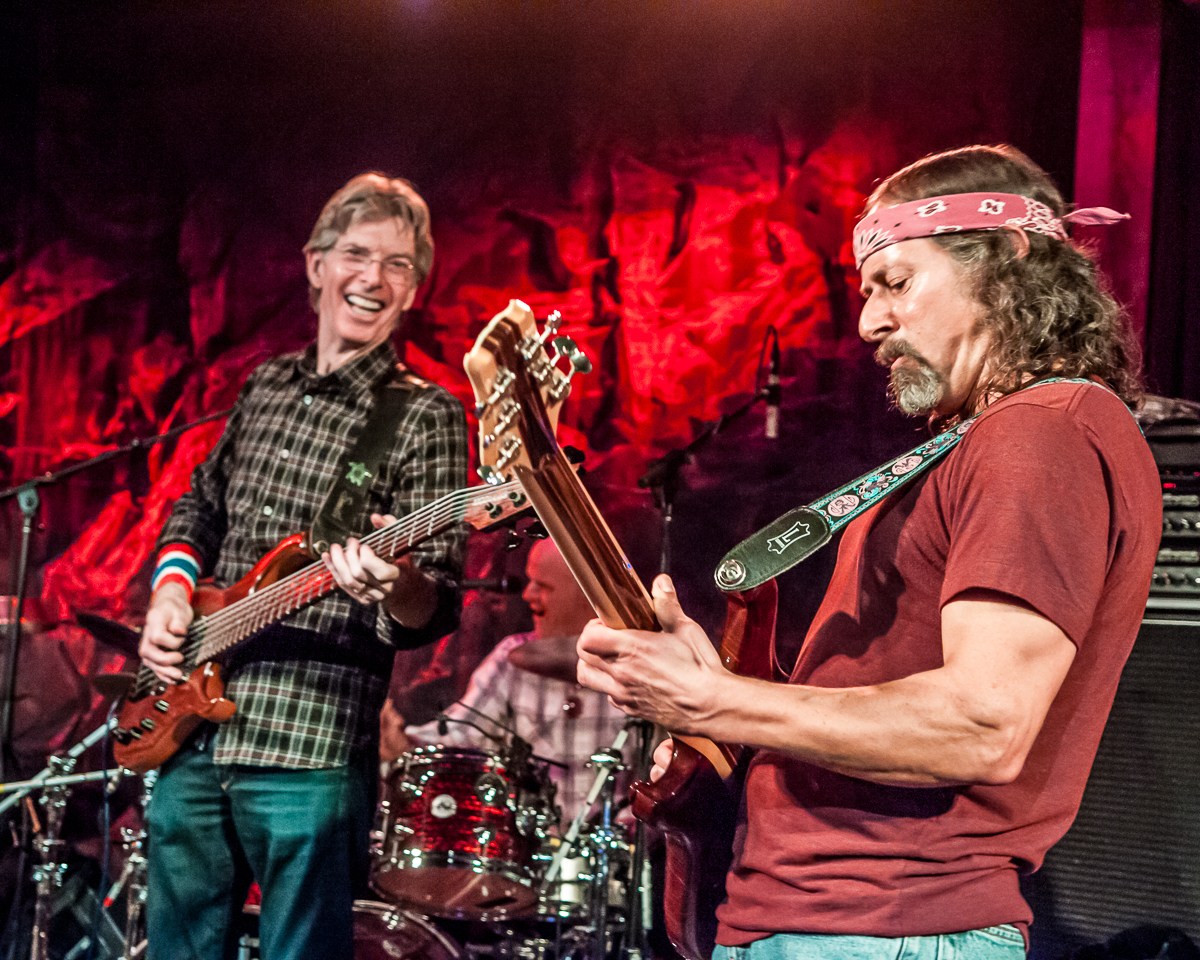
In the early aughts, a young Cris Jacobs and his band, The Bridge, played Baltimore’s storied 8x10 club for the first time. The band soon established a weekly residency that Jacobs credits with helping him discover himself as a musician. He would go on to perform at the venue more than any other artist, and this summer, when it looked like the club was going to shutter its doors to the great dismay of music lovers, he and a new ownership group, including the owners of Ardmore Music hall, stepped in from nowhere to keep it alive, to the delight of music fans both local and worldwide.
The 8x10 will reopen on October 9th, with a performance by Tom Hamilton Band and Illiterate Light. (They’re hosting a donors-only event the night before featuring Jacobs fronting a band with Steve Kimock, George Porter, Jr., Ivan Neville, Jennifer Hartswick, and John Morgan Kimock.)


“The 8x10 was definitely part of my formative years,” Jacobs noted. “I want to preserve its soul because it meant so much to me.”
Tell me about your history with the 8x10.
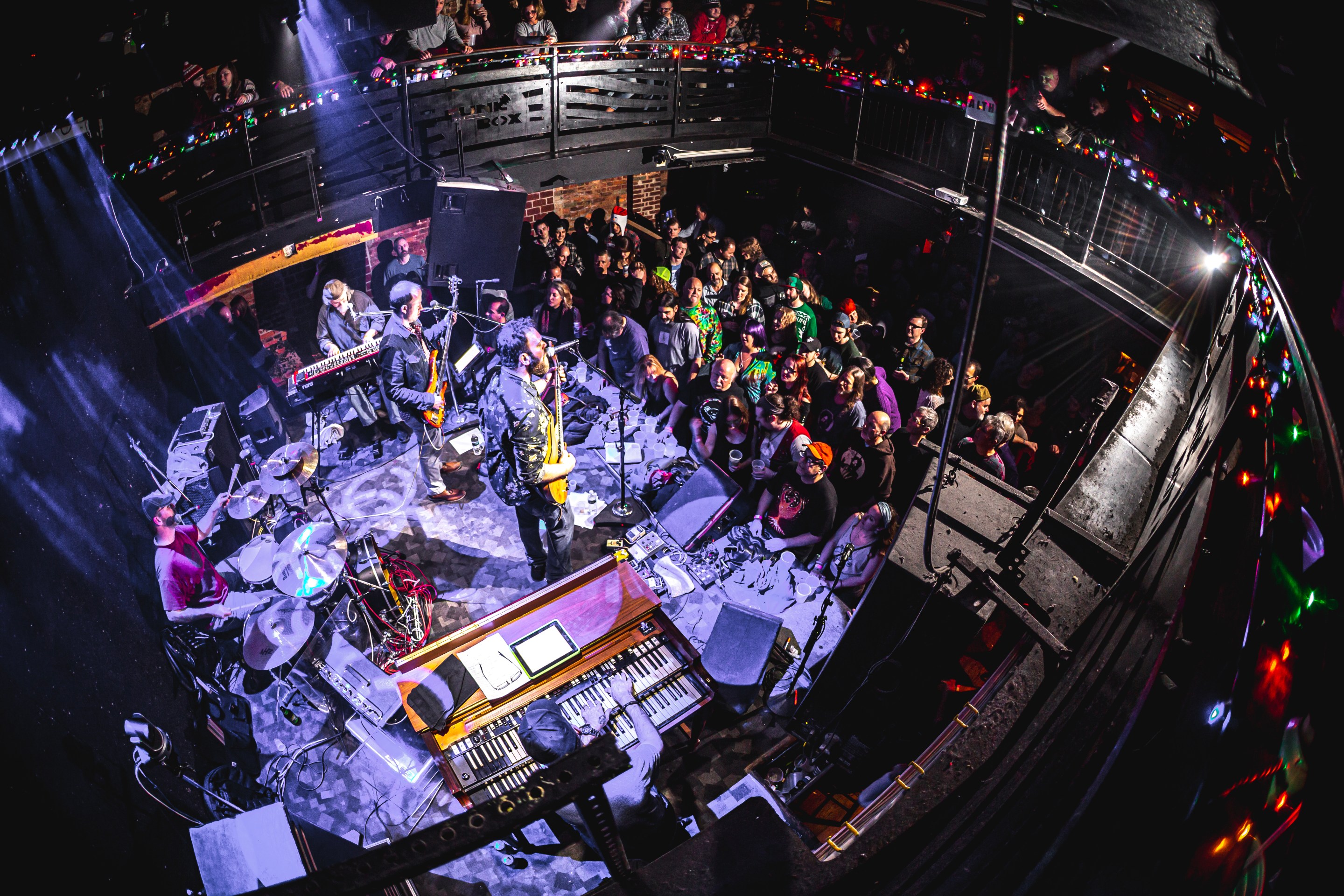
We played one gig in the original 8x10 before it changed hands and underwent major construction. My bandmate Kenny was renting a place in Federal Hill, and that became our weekly practice hang. When they were redoing the club as The Funk Box, we’d go by the construction site and tell the new owners we were a band and wanted to play there when they reopened. We presented the idea of doing a residency there, like, “How about we come here every Wednesday for the next month or two?” The first one was maybe half full, but soon enough, we had two months’ worth of Wednesdays all sold out. It’s where we developed our fan base and our community, and I really owe most of it to those residencies. We ran them about 10 times over the years. It’s sort of like the Bridge was the house band, so the place has a lot of sentimental value for me.
What did those 8x10 residencies mean to a young band like The Bridge?
Those residencies really became our launching pad into discovering who we were as a band and building the music community around us in Baltimore. Having that weekly presence gave us a dedicated space to figure out our identity and hone our craft in real time. The intimacy of The 8x10 completely shaped my approach to performing. The audience is right up on you, so the energy is in your face and every show becomes a full participatory event. When I was writing songs during The Bridge years, I’d literally envision a crowded, sweaty 8x10 and make musical choices based on what would connect in that room. It directly dictated the music I wrote and the kind of high-energy band we grew into. Those residencies gave us a home base, built our fanbase, and served as a microcosm for my entire career.
What other bands have shared The 8x10 stage with you over the years?
Oh man, there have been so many. Because we were figuring ourselves out as a band in those early days, we’d get grouped with everything from the jammiest electronica bands to bluegrass bands, and we did a lot of co-bills and tour swaps. like I remember teaming up with Brothers Past from Philly – I've known Tommy Hamilton since day one. We also had a very tight relationship with the DJ Williams Project from Richmond. We did a bunch of shows specifically at The 8x10 with those guys, and their rhythm section is actually my current rhythm section today. We also did a ton of shows with Ryan Montbleau, and shared bills with lots of “B bands:” The Brew, The Brakes, and The Breakfast.
When we did our residencies, we'd invite bands in that were building similar fan bases to what we were doing in Baltimore, and then we'd go open for them in their hometowns. We also had the chance to open for and sit in with some absolute legends, especially from New Orleans. In the early 2000s, Papa Grows Funk came through, and John Gros asked me to sit in. I remember asking what we were gonna play, and he said, “If you have to ask, you ain’t ready for it.” It was a lesson in being prepared to hang in any musical situation by having my ears and chops always honed. And then there was a New Year’s Leo Nocentelli and Russell Batiste called me up for the late set. There I was, standing on stage next to Leo – who was one of my biggest guitar heroes – playing those songs I had sat down and tried to figure out on my own. It was a total trip for me.
What were your first thoughts when you heard The 8x10 was closing?
Honestly, my immediate reaction was the same fear that the entire Baltimore music community felt, that this legendary place was either going to shutter permanently or get bought out by corporate entities and turned into a sports bar that would completely destroy its legacy. You see that happening all over the country, where a neighborhood loses all that soul and history.
In a world that feels increasingly soulless, automated, and driven strictly by algorithms or private equity, independent music venues are sacred hubs for human connection. For me personally, The 8x10 isn't just a building; it's the room where I practically grew up. It defined my 20s, shaped my entire career, and it's even where I met my wife. I know so many people in Baltimore who have that same deep, emotional connection to it, people who met their spouses or built lifelong friendships on a Wednesday night at a Bridge show.
Had purchasing the venue – or venue ownership in general – been something you’d considered previously?
It had never really crossed my mind. Running a small music venue is an extraordinarily tough business, and being a full-time musician is already tough – I didn't necessarily feel like I needed two really tough businesses! As a realist, I could list a million logical factors and financial reasons why taking on a small venue is risky. But at the same time, the 8x10 has meant so much to me, to my career, and to the city of Baltimore that the thought of losing it completely was devastating.
So when Chris Perella reached out about stepping up to acquire it and asked if I wanted to be involved, my perspective shifted. I’ve known Chris for years from playing Ardmore Music Hall and The Blockley, and I’ve always respected the way he does business. He’s trustworthy, generous, fair, and he’s in it for the right reasons. Knowing someone like him was stepping up meant we had a genuine chance to save the room, keep it independent, and preserve something truly sacred for our community.
Was it an immediate “yes” for you?
Definitely not! When we first talked, I laid out all the challenging realities and negative factors from my perspective. If you look at a chart of financial projections on a page, an independent 300-capacity room isn't a cash cow, and any lawyer or financial advisor would probably tell you to run for the hills. At the end of the day, his attitude was just, “Yeah, I get all that, but let's do it anyway.” That hit me right in the heart. I was like, “Well, fucking right on! Yeah, let's do it!” At some point, you just have to ignore the cynic in your head, ignore the pure numbers, take a leap of faith, and fight to preserve the soul of something that means everything to your city.
What are your hopes for The 8x10 going forward?
First and foremost, my biggest hope is that we preserve the soul of the place and keep it alive as a true sanctuary for the Baltimore music community. It’s about bucking the trend of soullessness and keeping a real, physical hub where people can gather, connect, and experience that incredible energy transfer between the stage and the crowd. I want it to stay that welcoming, intimate room where you walk in, say what's up, and immediately feel like you’re part of a neighborhood family. It’s always been an artistic playground where musicians feel free to push themselves and take risks because the audience is right there with them, giving that energy right back.
At the same time, I’m really excited about where we can take things with Chris Perella and the Rising Sun team. Their booking operation is a well-oiled machine, which allows us to be ambitious and take some real chances. We want to widen the musical spectrum significantly – bringing in developmental artists across all genres, welcoming new communities and younger fans, and running a robust schedule of four or five nights a week. But we’re doing that while staying completely true to our core jam and Grateful Dead roots, and continuing longstanding traditions like my twice-a-year Jerry Garcia tribute runs.
I could play somewhere I’d sell three times as many tickets, but I’d rather do three nights at the 8x10. At the end of the day, nobody in our group got into this to cash in or stare at financial projection charts – we did it because Baltimore needs close-to-the-heart places like this to survive. If we can keep bringing that joy, supporting local artists, and giving the next generation of fans and musicians the same spark that defined my own 20s, I think everything is going to be okay.