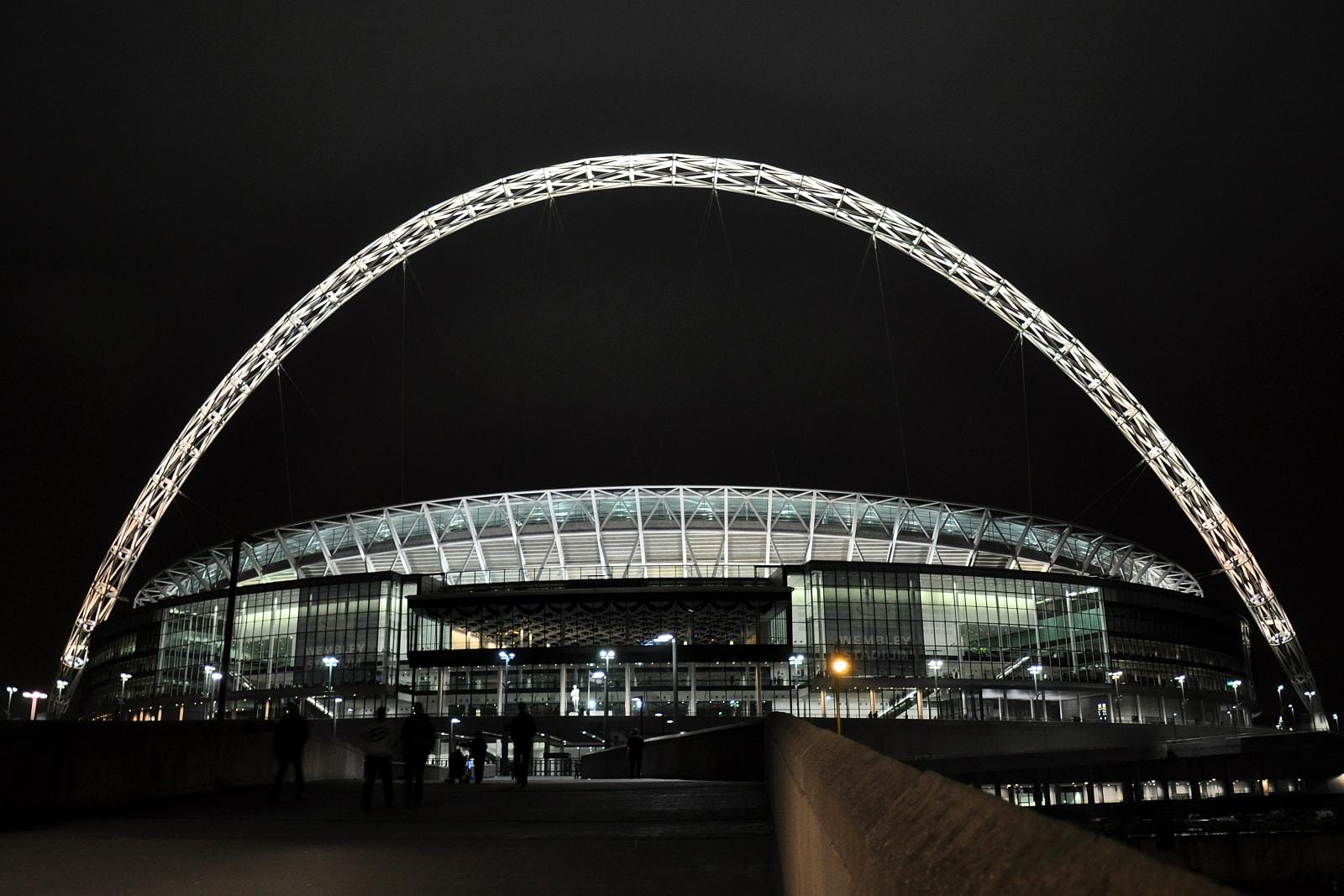
“Wembley Stadium (37)” by Martin Pettitt is licensed under CC BY 2.0.
Last December, the U.K.’s Business and Trade Select Committee opened a survey of Live Nation’s business operations and “exploring issues impacting competition and market functioning within the UK’s live music industry.” On Sunday, May 24, the Parliamentary committee submitted its findings in a report formally urging the Competition and Markets Authority to launch a full investigation of the entertainment giant for a list of concerns that echo the details of the company’s U.S. antitrust trial.
The Business and Trade Select Committee, comprising MPs from across party lines, found that Live Nation exhibited all three of the CMA’s standards for market dominance: substantial market share, a lack of realistic competition and a problematic requirement for consumers and other business entities to use its services and ecosystem. The 30-page report draws conclusion from 45 evidentiary submissions and claims that the integrated businesses of Live Nation’s flywheel model possessed a controlling share of the live entertainment industry – 66% of all tickets sold in the U.K. in 2025, in one estimate – that couldn’t be explained away by the company being “very good at what we do,” as Live Nation’s executive president Phil Bowdery told the committee in Feburary.
Notably, the committee’s report stresses a “climate of fear,” exhibited by the number of submissions delivered under terms of anonymity “due to fear of reprisal primarily from Live Nation.” Other concerns expressed in the report include long-term exclusivity agreements in the venue-facing ticket market and tying agreements that limited access to its dominant share of the “arena, stadium and major festival level” stages to artists working with Live Nation management. These claims dovetail with those of Live Nation’s high-profile antitrust trial in the U.S., in which the company was found liable of operating as a monopoly in live event ticketing in violation of federal and state law in April.
Live Nation heavily contested the committee’s assertions. “This report misrepresents the U.K. live music industry by relying on inaccurate data and unsupported conclusions,” a U.K. spokesperson for the company detailed. “Live Nation competes every day for tours, venues and artists in a highly competitive market. We will engage constructively with any process that benefits artists, fans and the wider industry, but debate about the sector must be based on evidence, not allegation and hearsay.”
The U.K.’s Association of Independent Festivals, which produced market research used by the committee, voiced support for the report and the Competition and Markets Authority’s investigation by the end of 2026. “The Committee remarks upon the climate of fear they encountered during this inquiry, with people worried about the consequences of speaking openly,” CEO John Rostron expressed. “As CEO of AIF I want to pay thanks to the AIF Board and our member festivals who stood together as we brought evidence forward to the committee last June.”
“This bold move, and our supporting public statement, opened the door to this inquiry. I want to thank all those who then also took steps to make submissions – by name, or anonymously – and those who continue to reach out to us or work with us. Today’s report shows what is possible. There is still a long way to go. Now is the time for others to come forward. We will enjoy a long summer of independent, creative, vibrant music festivals whilst we continue to gather evidence, data and everything else needed for the work coming this Autumn. Together we can bring about change for a fairer, more equitable, more nourishing and more independent live music ecosystem.”
Last year, the U.K. government introduced new legislation banning ticket reselling for profit. Read more about that landmark rule here.