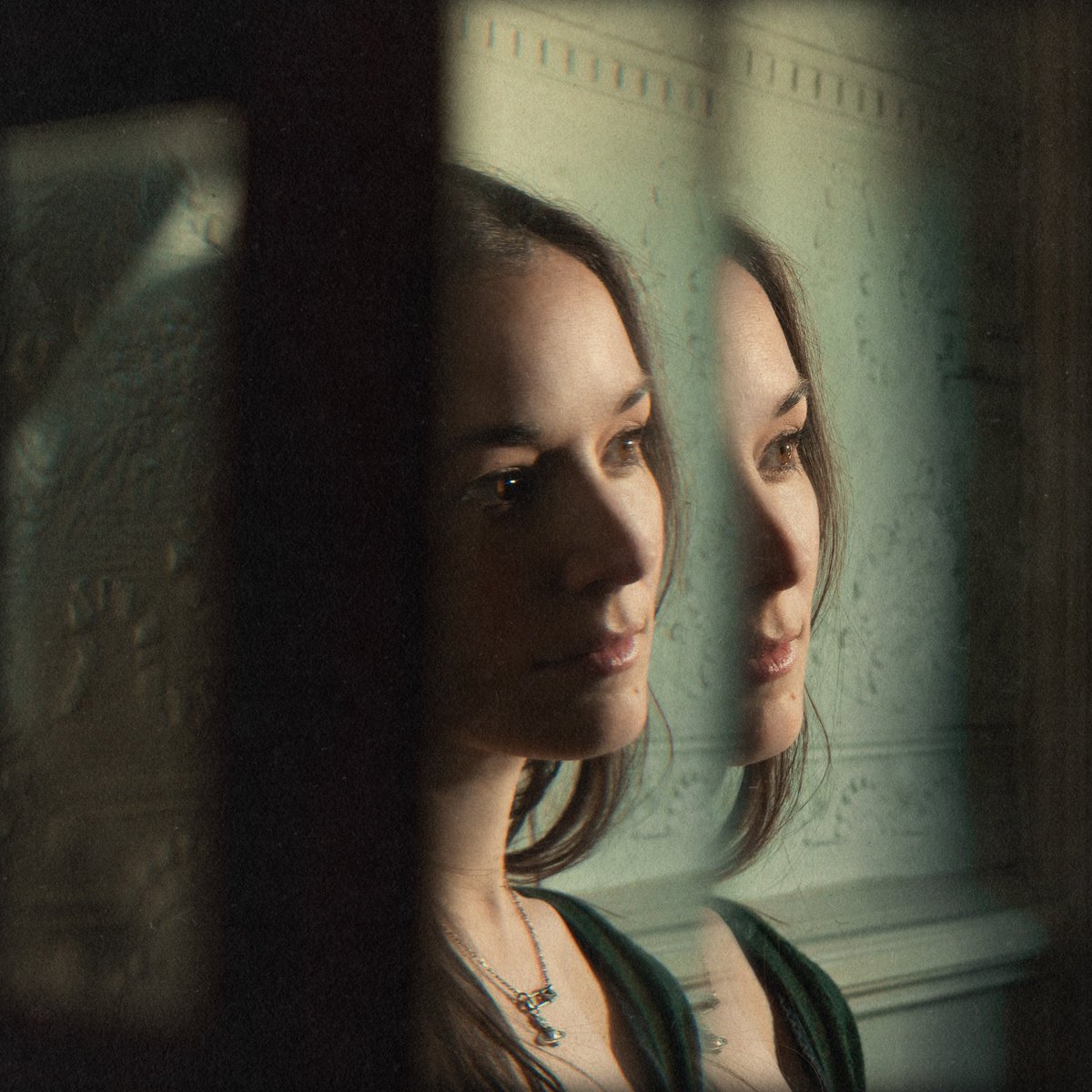

D'Angelo, photo by Marc Millman
D’Angelo, the R&B innovator who helped to define neo-soul with three groundbreaking albums, has died. He was 51.
“The shining star of our family has dimmed his light for us in this life… After a prolonged and courageous battle with cancer, we are heartbroken to announce that Michael D’Angelo Archer, known to his fans around the world as D’Angelo, has been called home, departing this life today, October 14th, 2025,” the artist’s family confirmed in a statement. “We are saddened that he can only leave dear memories with his family, but we are eternally grateful for the legacy of extraordinarily moving music he leaves behind. We ask that you respect our privacy during this difficult time but invite you all join us in mourning his passing while also celebrating the gift of song that he has left for the world.”
Born Michael Eugene Archer in South Richmond, Va. in 1974, D’Angelo gravitated towards music from a young age, first trying his hand at the piano at 3 years old and drawing early influence from performing in church with his father, a Pentacostal minister. As a teenager, he found regional success with groups like hip-hop outfit I.D.U. (Intelligent, Deadly but Unique) and his own Michael Archer and Precise, which earned a moment in the spotlight in Amateur Night at the Apollo Theater in 1991. After making a name for himself as a songwriter, he signed a recording contract with EMI in 1993, then saw his first chart placement by co-writing and co-producing “U Will Know,” recorded by R&B supergroup Black Men United in 1994.
D’Angelo broke out as a solo star with his 1995 debut album Brown Sugar, certified platinum in 1996 and featuring the unforgettable singles “Lady,” “Cruisin’” and the title track. He wrote and recorded demos for much of the project on a four-track recorder at his mother’s home in Richmond, then independently handled most of the production and instrumentation–including guitar, bass, drums, keyboards and saxophones.
"I was one of those guys who read the album credits and I realized that Prince was a true artist,” he said of the formative influence on this approach in a 1995 interview. “He wrote, produced, and performed, and that's the way I wanted to do it."
From his first release, D’Angelo was a revelation in R&B, summoning the gravity and passion of soul forebearers like Al Green and Marvin Gaye and marrying it with the beats and slick atmosphere of hip-hop. His vocals, often layered in intricate harmonies, simmered in a rich, seductive baritone before exploding into his howling falsetto. This style, further refined on his sophomore album Voodoo in 2000, is widely regarded as pivotal to the development of neo-soul, though D’Angelo was vocal about his music being not just an update, but a deliberate reinvention of Black musical traditions.
“I never claimed I do neo-soul,” he expressed in a 2014 interview with Red Bull Music Academy. “When I first came out, I used to always say, ‘I do Black music. I make Black music.’”
In the five years between his first and second albums, D’Angelo battled writer’s block, in part spurred by his dissatisfaction with Brown Sugar’s reception and the state of contemporary R&B. His return was inspired by an ambition to set the record straight and fully articulate his initial vision. Through close collaboration with the Soulquarians–his band of Questlove, Roy Hargrove, James Poyser, Pino Palladino and J Dilla–he created a lush, timeless sound and Voodoo, an album consistently hailed as a masterpiece, with hits like “Send It On," “Devil’s Pie” and “Untitled (How Does It Feel)," a tribute to Prince that has since become his most widely known song.
“I consider myself very respectful of the masters who came before,” D’Angelo told Ebony in 2000. “In some ways, I feel a responsibility to continue and take the cue from what they were doing musically and vibe on it. That's what I want to do. But I want to do it for this time and this generation.”
“Untitled (How Does It Feel)” was released alongside a notoriously risque music video, which served as the catalyst for his characterization as a sex symbol by a younger generation of fans. During the subsequent cancellation-plagued tour, female fans interrupted performances by shouting at him to take off his clothes, or tossing their clothes onto the stage. After the tour, D'Angelo returned to Richmond and disappeared from the public eye for a decade, during which he struggled with depression and substance abuse before spending time in rehab.
D’Angelo triumphantly returned in 2014 with the chart-topping soul-jazz epic Black Messiah. Backed by The Vanguard, a new ensemble including Questlove, Hargrove, Palladino, Isaiah Sharkey, Chris Dave, Jesse Johnson and others, his revival record is an expansive, fluid, mesmerizing blend of rock, funk, fiery gospel testifying and more. In the years since, he contributed two singles to soundtracks, including “Unshaken,” with Daniel Lanois, Brian Blade and Cyril Neville for Red Dead Redemption 2. Touré and others have suggested that the artist’s clandestine habits during his active period and his ultimate disappearance were caused by his objectification, which overshadowed the vital work he’d done to reinvent soul music for a new century.
In 2024, Raphael Saadiq shared with the Rolling Stone Music Now podcast that “D’s in a good space right now.“ “He’s working on six pieces right now and he seems super excited,” the singer-songwriter and longtime collaborator detailed. “He’s in control of his own destiny at this point. He has a management team, but they can’t make him do anything that he don’t wanna do. He knows it’s on him now, and I think that’s a different angle that he’s coming from.”
D’Angelo recently appeared in Sly Lives!, Questlove’s documentary on the life and legacy of Sly Stone, for which he reflected on the unique challenges that Black artists face as they ascend to stardom. He was initially booked to deliver his first public performance since 2016 as a headliner at the 2025 Roots Picnic, but cancelled in the week before the festival, citing an unforeseen medical delay from a surgery earlier in the year. His rare announcement also confirmed progress on new music: “@am currently in the Lab & can’t wait to serve Up what’s in the Pot! LOVE U All and will see you very soon.” He signed, “With Love, D’Angelo.”
In the course of his career, D’Angelo was nominated for 14 Grammy Awards and received four, earning Best R&B Album for both Voodoo and Black Messiah, Best R&B Vocal Performance for “Untitled (How Does It Feel)” and Best R&B Song for “Really Love.” He contributed to releases by Snoop Dogg, Method Man, Common, Brandy, Slum Village, The Roots, B.B. King, Rapsody, A Tribe Called Quest–as part of the celebrated production collective The Ummah–and Lauryn Hill, with whom he collaborated on “Nothing Even Matters” from The Miseducation of Lauryn Hill.
Beyond his immediate peers, D’Angelo’s powerful music profoundly influenced generations of artists who followed in his footsteps and others across the musical spectrum. After his passing, many of these connections reflected on his legacy through social media posts. Read a selection of the outpouring here.