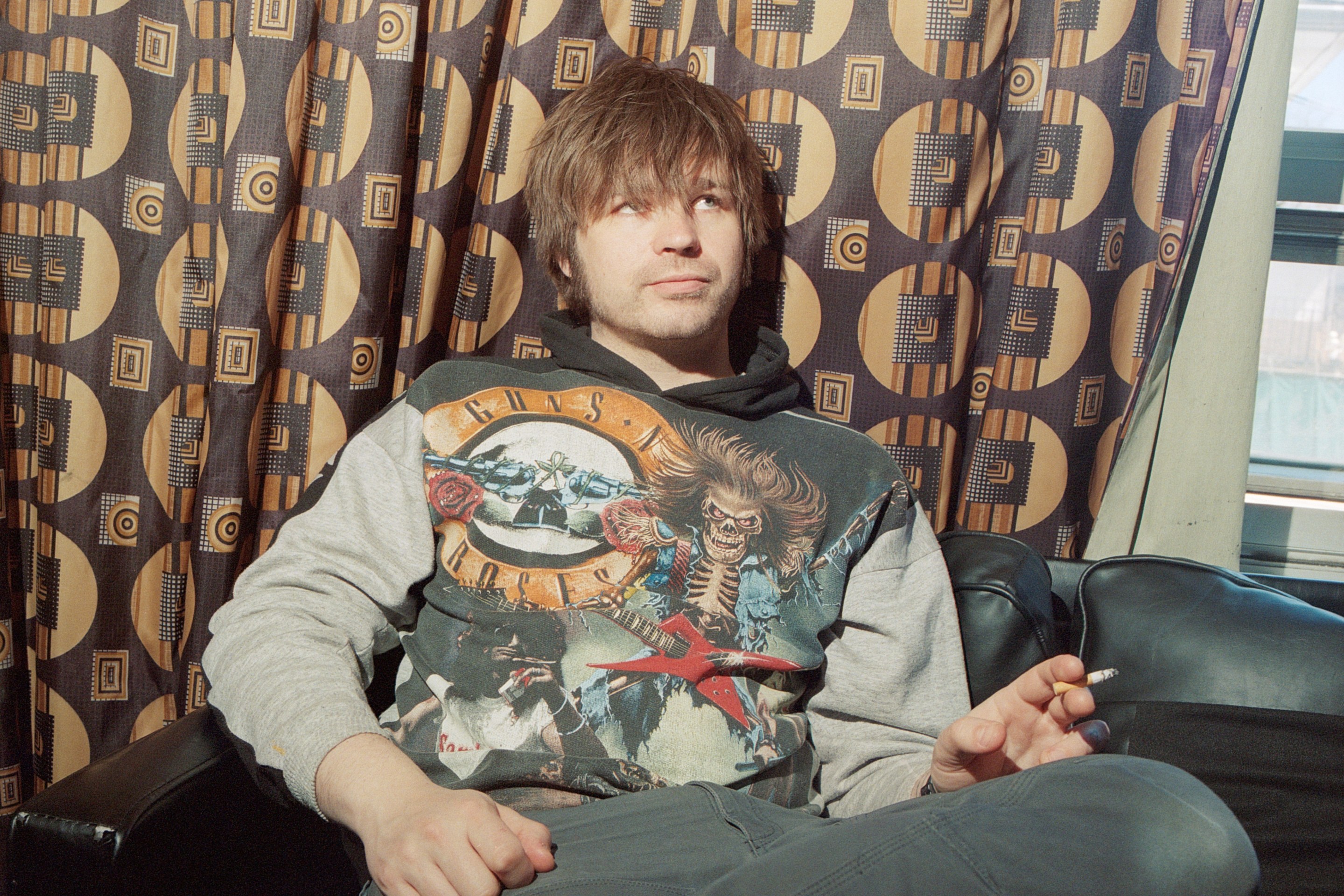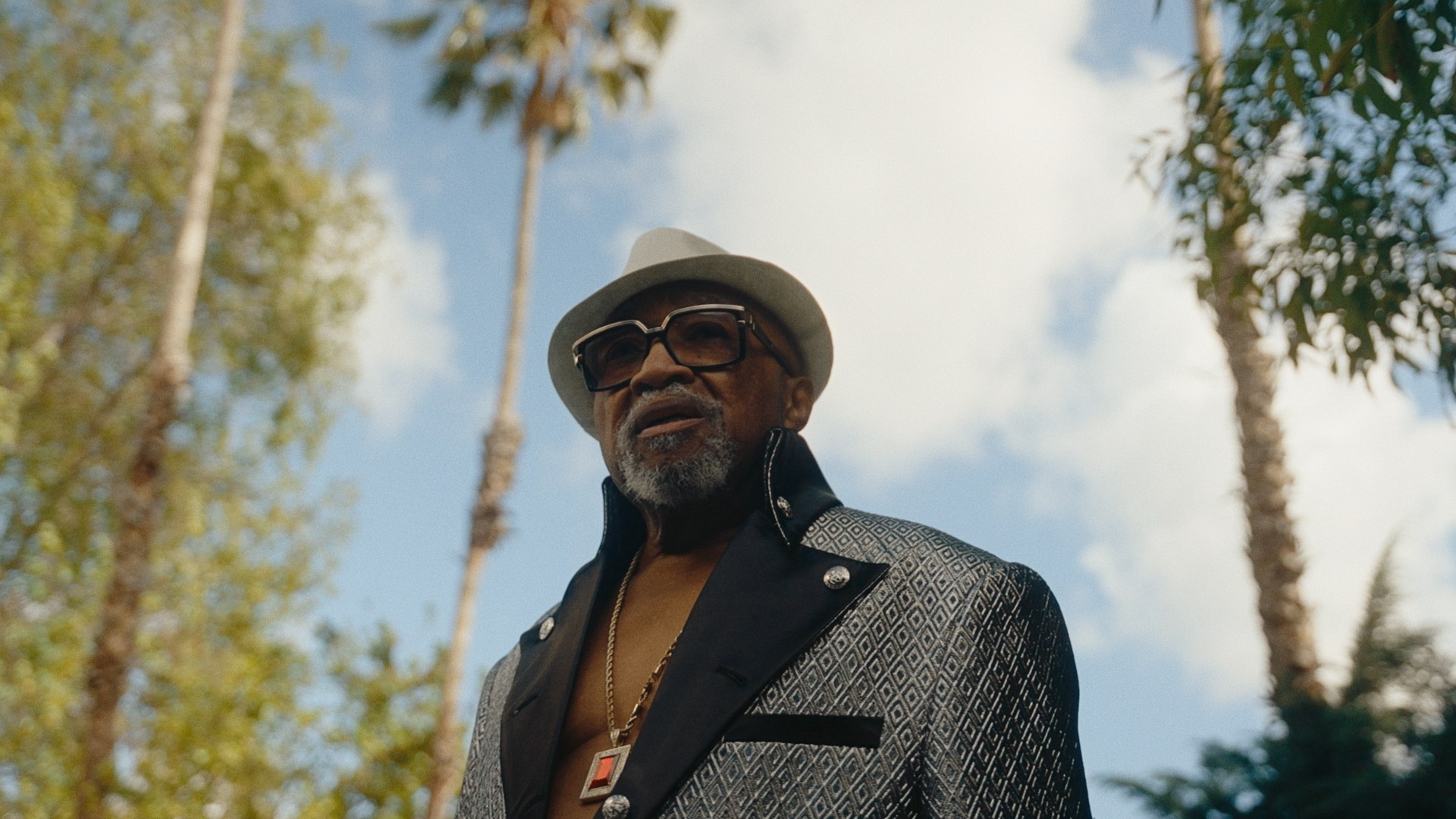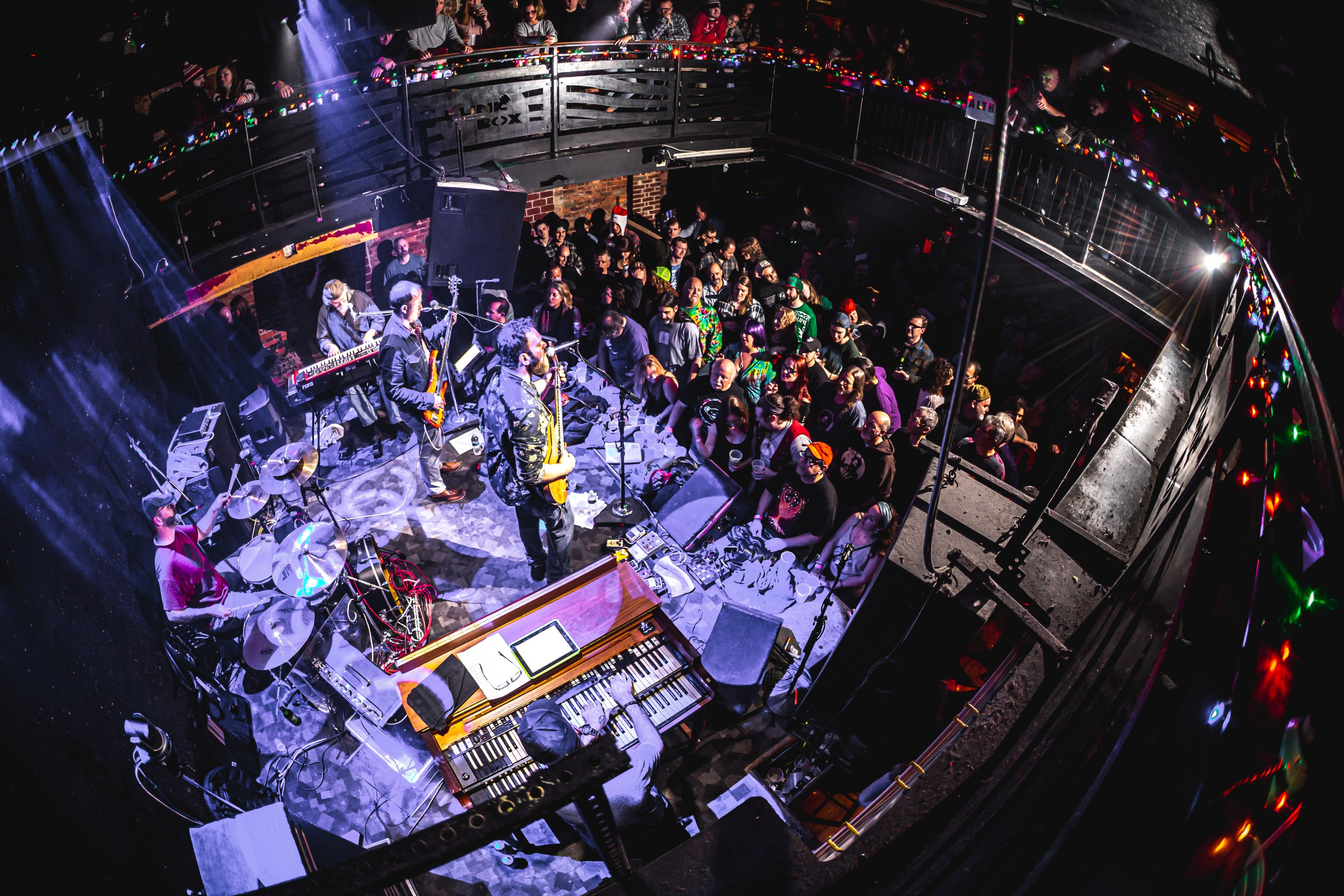
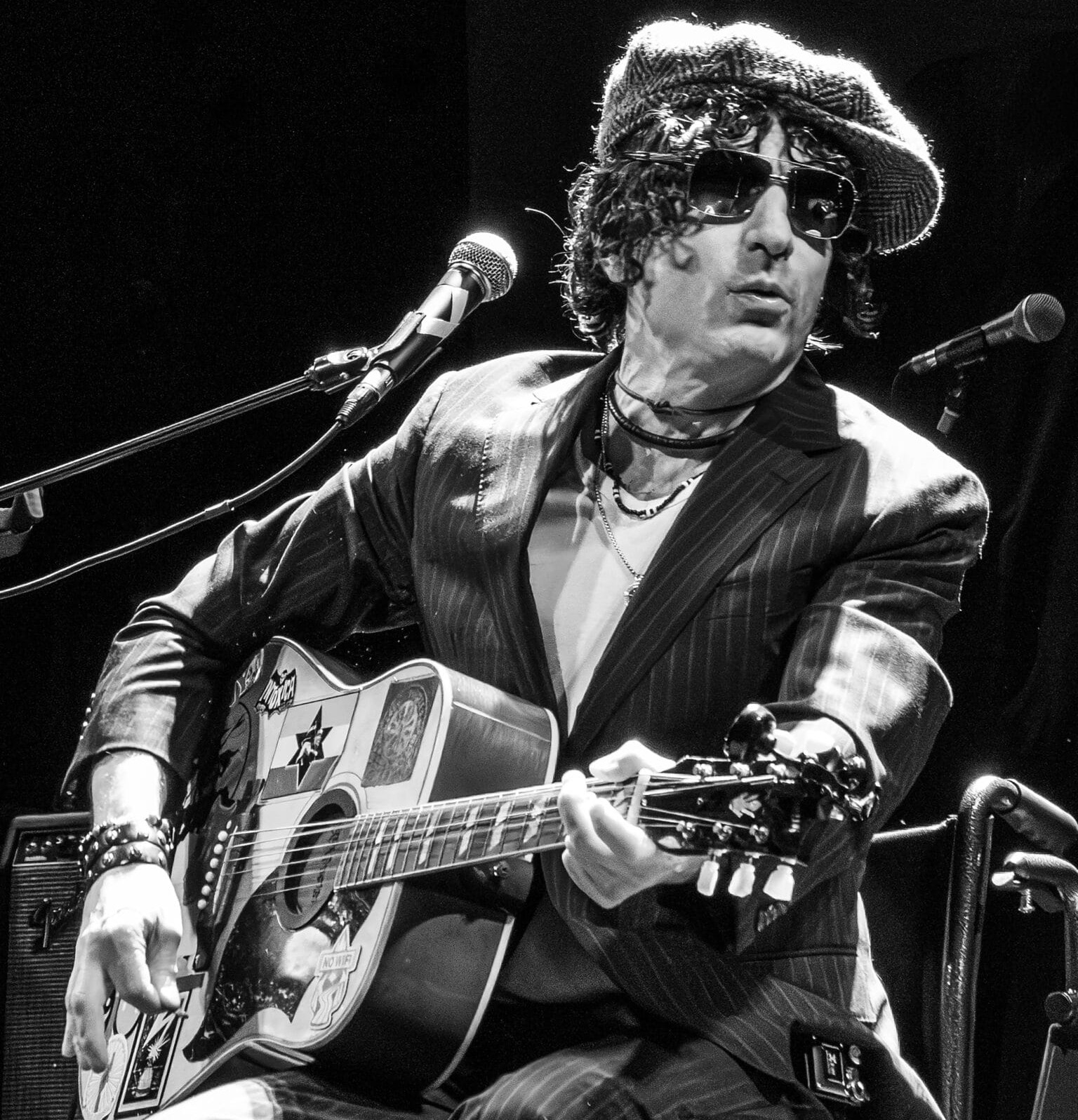
“It was a situation where people had been saying to me, ‘You should tell these stories in a book of some sort.’ I already had been telling them on stage and through blogs and through my social media. So eventually I was like, ‘You know what? I'm going to go for this,’” Jesse Malin recounts, while tracing the origins of his bold and big-hearted new autobiography, Almost Grown: A New York Memoir.
As the title suggests, the book is as much about a time and a place as it is the author’s own episodic chronicle. Of course, Malin’s story is compelling in its own right. He was a teenager punk pioneer, who grew up in Queens then found his people in Manhattan, while honing his creative expression via vivid, vigorous performances by groups such as Heart Attack and D Generation, then a vibrant solo career.
Almost Grown is both a profound personal narrative and also a travelogue that extends from CBGB to Max’s Kansas City to Madison Square Garden with plenty of lively locales in between, including Coney Island High, the author’s own East Village venue from the 1990s.
Malin’s musings will resonate with readers who may have only a limited awareness of his art or its antecedents. He chronicles a DIY ethos applicable to multiple band and fan communities, as he writes, “My mother liked to say, ‘Show me who your friends are, and I’ll show you who you are.’ I felt good about my new friends, like I had found my tribe.” Later, the musician adds, “The people who come to the shows in their coolest clothes, and sing and dance their hearts out, deserve as much respect as those of us onstage—if not more.”
There are certainly moments of darkness that recur throughout Almost Grown but Malin addresses them with empathy and hard-wrought wisdom.
He describes dropping his friend Joey off at home after an evening out on the town and his pal invites him in to watch a film. Malin writes, “Sometimes I said, ‘Sure.’ But that night I was too drained, so I begged off. Four months later, Joey was gone…I wish I has said yes more often.”
This moving sentiment applies to any of us passing through life, although in Malin’s case the Joey was Joey Ramone and they had attended Saturday Night Live followed by an after-party at Bono’s behest.
As Malin describes the process of writing the book, he notes, “I happened to have a little bit of downtime. I was recovering from some health stuff in a hospital.”
Indeed, the musician was in Argentina receiving treatment for a spinal stroke that afflicted him in 2023, rendering Malin paralyzed from the waist down. He touches on this briefly in Almost Grown and also has channeled it for Silver Manhattan, his Off-Broadway show that garnered him a 2026 Drama Desk nomination.
“I was out of the country getting treatments and instead of living in the present, which was kind of miserable at the time, it was nice to go back and live somewhere else for a while,” he continues. “There was really something appealing about that and it was helpful. Almost Grown is also a coming of age story about manifesting things. I still feel like a kid. I still wake up hungry and excited, thinking, ‘What can I do today and how can I make it happen?’”
New York City itself is a character in the book. Was this your intent from the get-go?
Yeah, it was always a character to me. It was something that spoke to me and said, “Come here and we'll let you in. You'll be all right. There will be a place for you here.”
I was inspired by a lot of books that focused on New York. A buddy of mine named Dito Montiel wrote a book called A Guide to Recognizing Your Saints. I also always loved The Basketball Diaries [by Jim Carroll]and things like Just Kids by Patti Smith. Of course, those books are at the top of the league and I've never written a book.
I also wanted to tell a story about the people I grew up with, all the characters—the unsung ones, not just the famous names—and the people I lost. In a lot of ways it's a love letter to my mom and my dad, despite an awkward childhood, and to a New York that doesn't exist anymore.
In looking back did you think there could be a danger in possibly being overly nostalgic, which might color your narrative a certain way?
I do think that sometimes nostalgia can be a form of depression.
However, I do like sitting around a table with people, listening to their stories and telling some of my own.
I also believe that these old stories are the paths and lessons that build character. When I read one of the books I mentioned, they're interesting places to visit. I can't speak for my book but I was hoping that people could find a piece of themselves in there—that they could find something to relate to in their current life. I hope there's a sense of humor in these F-ups and the curiosity that tempts a cat to get into some wild stuff, then what you find when you go there.
The book ends in 2006 or so because I didn't want to write something that was too long. I also didn't want to write a music book because there are so many of these rock books, but it was hard to keep the music out of it because that was such a big part of my life. I actually toned down a lot of the inside baseball punk rock stuff, even though there's a lot in there.
You do share a number of observations in the book that come from your general perspective as a longtime city dweller, like the disappearance of “old man bars.”
They used to be dime a dozen. Now it's very hard to find those old man bars, including the Blarney Stones—those old Irish bars. I used to sit in there as a punk rock teenager and drink with those men. It felt to me that was where the real loneliness and quiet pain ended up. You don't see that anymore. Those places for working people have just disappeared.
You also write about so many powerful experiences that are a direct product of your life in the punk scene. For instance, I learned that when you were 14, you were one of the people who attended that legendary performance by Fear on Saturday Night Live. How did you find yourself there on Halloween night 1981?
John Belushi loved hardcore and he loved punk and somehow he got in touch with Ian MacKaye. This was before we had cell phones or the internet, and my mother told me that Ian called and that if I wanted to dance with Fear, I should get myself to Rock Center.
So I went there and they gave us a green room. I'd never been backstage. It was the new cast and the only person who came into our dressing room was Eddie Murphy. He was super nice to us.
They we got out there we started skanking around and knocking into each other and creepy crawling. I heard some woman say, "This is all Belushi's fault." I remember a camera got knocked and she was really upset. I also remember diving off the stage up and down, back and forth. I did like three dives.
Then they kicked you out of there, right after the performance?
Yeah, it said in the New York Post that there was $200,000 worth of damage. They treated us really great at first. I never had a dressing room with snacks and catering. Then once we started dancing, everything changed. I had thought the idea was that they wanted to show this music and this kind of dancing to the world because Belushi believed in it.
But once it got going they were really scared. I guess they didn’t realize it would be such a wild thing. A lot of kids were there from other places too, like the Necros guys from the Midwest who were in town and some DC people, along with the New York people.
So they threw us out of the place, told us we were too rough and we got in all this trouble, but Fear was great. Ian from DC grabbed the mic and yelled, "New York sucks!" After that, Harley Flanagan from Cro-Mags smashed a pumpkin and some shit got busted up.
When I went back to junior high school on Monday, my science teacher said, "I know where you were this weekend." Even though my mother did let me out, I felt guilty. Then I was like, "How did he know? " Now as I think back years later, he was some guy in his 40s sitting on his couch drinking a Bud, who saw my leather jacket with whatever was written on the back, jumping off the stage three times. He was like, "Yeah, this is what these crazy kids do.”
I’ll watch it every year, send it to friends and be like, "Can you find me?” One buddy of mine circled me and sent it right back. I was like, "Wow, I didn't realize you could figure me out so easily.” [Laughs.]
I think that SNL incident reinforced certain stereotypes even though people like Ian MacKaye have always been so principled and thoughtful, particularly when it comes to fans and community.
We learned a lot of that in the hardcore punk days. That ethos really sticks with me. That DIY kind of thing—as corny as it sounds—followed me through singer-songwriter, solo time.
I think those days were very formative and really special. I don't think people know how much hardcore and all of that stuff really influenced where touring would go and how Nirvana and the indie rock bands to follow all came from this.
The idea was that if they won't give us a record deal, we're going to make our own records. If there are no magazines, we're going to make our own fanzines. We're going to find a way to make this happen on our own terms. We'll put on our own shows, we'll make our own T-shirts, we'll book our own tours, we'll find places to stay, thanks to our community.
That stuck with me in my journey through singer-songwriter times in my life, whether it was throwing a party or putting out compilations or doing benefits for people in need.
One of the bands you talk about quite a bit in the book is Bad Brains. I thought they occupied a unique role back then because they were embraced by so many different constituencies.
Well that’s because they're amazing musicians with jazz fusion chops and a great message. They're playing reggae and punk, but then there's a very hard rock, dare I say, almost metallic kind of edge to it. There’s even a funky part of what they did. There's nothing like them. It's on another level.
Forget if you like punk or hardcore, they’re just great musicians cooking at the hottest level and that's really powerful stuff.
Somewhat by contrast. I had a friend of mine who was a college DJ in the mid-80s, who would play music from his two favorite bands back-to-back: Minutemen and the Grateful Dead. Whenever he did that, the phone in the studio would light up with all sorts of agitated people threatening him. He wasn’t trying to be provocative though. Those were legitimately his two favorite bands.
We were mad at hippies and mad at this and that back then. When you're young, you need to carve your thing out. So I got short hair and I wore a certain kind of clothes and only listened to this music.
There was a sense that we had to establish ourselves and protect ourselves and feel strong, especially where we were in the minority. It seemed like everyone was judging us and messing with us for how we looked and how we spoke and what we listened to.
But then as you get older you realize that Neil Young is punk rock. Johnny Cash and Jerry Lee Lewis were punk rock. The Grateful Dead were anti-establishment and created this other community, this other world.
I’ve read a few essays in which people have argued with complete sincerity that the Grateful Dead were punk rock within the context of their times.
Yes, because they were anti-establishment and they took everything into their own terms. As you get older, you see that and I think there's more open-mindedness in the world that people didn't have when we were growing up.
People would beat you up if you liked punk rock or the older kids who liked Black Sabbath would beat you up if you liked KISS. It was something else if you liked disco. There was this kind of thing where people really had to stand hard on what they were into. I respect that on one level. It was like the Rockers and the Mods. It's about passion, but it's also separatist in a way. This whole country right now is so separate and it's really heartbreaking because there are things about America I really love and I'm proud of.
When I grew up, me and my friends never argued about politics, but these days when it comes up, people get into it and lose friendships over it.
For me, the reggae I got into, which connects to punk rock but also to Grateful Dead-type stuff is all about unity. It's about all the colors in the rainbow. It's not about separating, it brings us together. The music is the medicine.
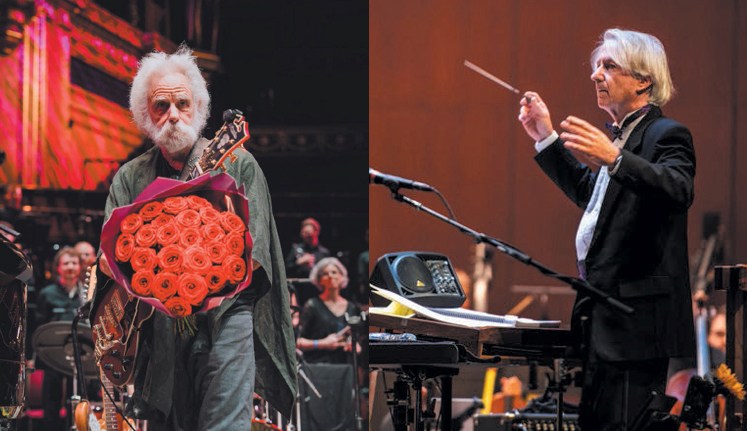
Many years later I did a song with Bob Weir. I did “Brown-Eyed Women” with him at his studio. We did this duet and then we did a Clash song because I knew that Bob and Joe Strummer had gotten together one day when they were both in Philly. Joe wanted to meet with Bobby from the Dead to find out how they got so big, so spread out, but at the same time were able to stay in touch with their fans on some grassroots level. The Clash was battling with fame because everything was getting too big.
So they spent the night on a roof. I imagine they drank a lot of wine and who knows what else but the intent was good. I think there’s something as you get older when you realize all these things that separated us aren’t as deep-rooted and significant as we once believed.
What did you take away from spending some time with Bobby?
He was very sweet, very down to earth. He wanted to get it right, so we did several takes. His temperament was that of a regular guy. You could see that he was well traveled and got deep into the songs. He’d played a lot of long concerts, thousands of them, yet here he was, inviting me into his studio where we did like 10, 12 takes until we got it right.
This was at his place, TRI. I'd been to Northern California, played San Francisco, played Berkeley, played Oakland, but I'd never been over that bridge to Marin County. Man, I went into a supermarket and the produce was something else. Not to sound like a hippie, but it was kind of magical out there. [Laughs.]
Bobby had it really dialed in and everybody was super nice. Again, I'm some street rat kid from Queens and here I am in Northern California with Bobby Weir playing “Brown-Eyed Women” because I requested it. I said, "That's my favorite Dead song. It's got a rock and roll-y thing.” Then after that I was like, “How about we do a Clash thing?” So we did “Death or Glory.”
In Almost Grown you talk about performing with Springsteen and you mention his album Nebraska. Even though Nebraska didn’t sound like punk rock, one could make a case that it behaved like punk rock.
Before NebraskaI'd never really looked at Bruce's music that much. I knew he sweat and put a lot of energy into his shows, but here was this guy who was a rock star playing arenas that my father and his friends liked.
Then suddenly there was this record with a stark cover. To me, the lyrics and the stories were very street and punk with the struggle of the working man and the struggle of this country’s dark side—the American Dream gone bad. I saw a real connection to the records of the Clash and Billy Bragg and the punk stuff that I grew up on. I was like, “Wow, this is haunting.” It was very impressive and it still is.
I guess people are catching up to it now with books and movies, but it inspired me that you could take an acoustic guitar and tell a story with three chords that would really penetrate and shake you up. It was very cinematic, but also very pointed at what was going on in Reagan's America without hammering you on the head.
Jimmy G from Murphy’s Law also appears a few times in your book. He’s also in the documentary I directed about Wetlands Preserve where he talks about gentrification in Tribeca, which led to the closing of the club. He says, “It’s been going on in that neighborhood for some time. Artists and musicians get pushed out because artists and musicians make the neighborhood cool.”
I love Jimmy. Yeah, America became part of New York. It used to be we were a separate provincial place from America, but sometime after 9/11, everybody came here for better or worse. It became very Americanized and very chain store and not as unique. The whole country got like that where you used to go places and they had things there that you couldn't get somewhere else.
One might well say that of Wetlands itself. Did you see music there?
I brought Joe Strummer there on Valentine's Day for a benefit for God's Love We Deliver. I saw Buster Poindexter and Murphy's Law there. I also saw a lot of reggae—Mikey Dread and a lot of other shows.
The people there and the vibe was like nothing else. There was nothing before it and nothing after it in New York. Even though it was a little more jamband and hippie than my taste at the time, it was definitely a place to go. I think that people really miss it here.
Finally, can you talk about your experience with Silver Manhattan and whether it might yet return?
We're hoping that we'll do it again next year. We did 10 weeks in New York at the Bowery Palace and we did eight shows at the Gramercy Theater. Most of them sold out, which I thought was really impressive for something I'd never done before.
It came together as a story I wanted to tell with my band. I wanted to talk about finding my way back onto the stage after having this rare spinal stroke and being paralyzed and not being able to walk or do a lot of things. Then, not having anywhere to live, ending up in Argentina trying to get treatments that were reasonably priced and how the community came together for me.
So I came up with this story and we wrote the script. I worked on it with a director and another writer and producer. Speaking of Wetlands, God bless Peter Shapiro and some of his friends who were able to help us out because I thought it would be a show where you play and you get paid, but it's more like Mel Brooks’ The Producers where you’ve got to raise money. [Laughs.] So I gave him my elevator pitch in a Japanese restaurant and he believed in me.
Silver Manhattan is about how I wanted to find my way back on stage, but also find my way back into my city where I’d walked and jogged, and when I’d go out the door, life just happened. That’s all over the book—you walk into the city and things just open up to you.
Then it seemed like that was all taken away. So I had to find a different way to look at it, a different way to come back. It goes into my childhood where I didn't have an electric guitar. My father gave me some toy beginner’s acoustic, so I taped a microphone on it, then ran it through a reel-to-reel with the help of some masking tape and gaffer tape. Well I want to do the same thing with my body. I want to stand at the mic and sing. I don't want to sing rock-and-roll in a wheelchair. I want to get up for one song. I want to find a way with braces and holding onto the mic and standing still and having trained for months to find a way to stand up.
It's about trying to find my way back through the music community and through people in general. So it's a love letter to the city. There are some things from my childhood in those early days when we had to make shit happen, then God goes, "Oh, you're Mr. Positive PMA guy? Well deal with this.” I couldn't walk. I couldn't help myself. I needed a nurse. I had all these other issues. I had to catheterize to pee eight times a day. Then I had to find a way.
So it was like, “Okay, I’ve got to dig deep.” Then, through music, the music community and the city, I was able to find some magic to help me back. I think we're very fortunate in the music world where not only the artists, but also the fans and everyone else comes together in times of need.
I wanted to do a piece that maybe other people could see if they were going through a hard time, where it was relatable whether you're a paraplegic or you have some other ailments or deep pain in your life. I wanted people to come out of there inspired—believing in themselves and believing that all things are possible.