The Who at Fenway Park
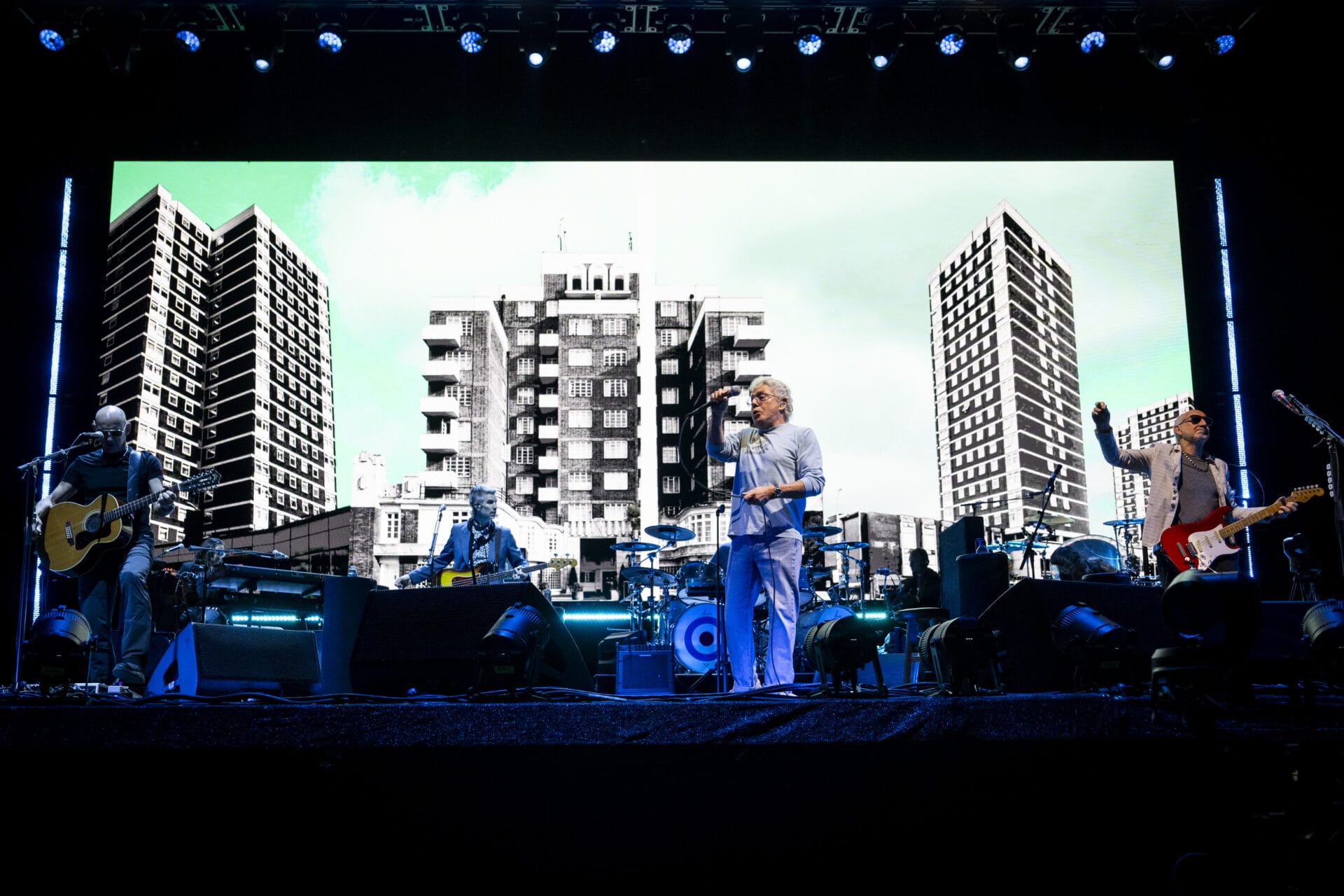
Photo credit: Sarah Boeke
***
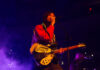
Boston has long referred to itself as ‘The Hub.’ It’s the kind of self-proclaimed boast that those outside the circle look upon with a mix of shrugging acceptance and playful disregard: You’re not New York or Los Angeles, but, yes, you’re pretty great just the same. Without equivocation, The Who, for the band’s final appearance in Beantown- up against the Green Monster on that jewel of a ballfield, Fenway Park, no less- poured out its deep love for the city.
In a sense, Boston stands sentry for all of New England- central as it is to the neighboring states—and Fenway, no doubt, was the collective old town square, filled to capacity with reps from all six. So, when Who guitarist, singer, and songwriter Pete Townshend professed his sailor’s affection for the waters of Newport and Maine, or when singer Roger Daltrey fondly recalled a Boston Garden show many decades ago that followed a night in a Montreal jail, (thanks, Daltrey said, to the loony exploits of original Who drummer, the late Keith Moon), it rang as true gratitude for the region and the legion of fans that has supported the legendary group across six decades. More than just an obligatory nod to the host.
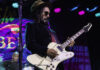
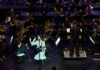
“What a city!” Daltrey exclaimed as he led the opening couplet of the early-days in London numbers, “I Can’t Explain” and “Substitute.” Townshend, sunglassed and whirling his right arm to great delight, shouldered next to Daltrey, fronting a stellar ensemble of six backing the duo. In 2025, Daltrey and Townshend are the Two, the remaining pair from a rough and tumble Shepherd’s Bush quartet that played British flavored, maximum R&B, landed in America in the 1960s, and has been beloved there ever since. At their peak, the Rock and Roll Hall of Famers made some immortally iconic albums: Tommy opened the mind’s eyes and ears to the concept album; Who’s Next foreshadowed a tech-dominated world, 50 years ahead of time; Quadrophenia got us through high school. And the Fenway set, on this late August night, tipped a cap to each.
There was the anthemic refrain of “See Me, Feel Me,” and the rarely-played “Love Ain’t for Keepin’,” and Townshend’s poignant ode to teen desolation, “I’m One,” among twenty of The Who’s finest. There were also the hits, with “My Generation,” and “Pinball Wizard,” and “Who Are You,” all getting spirited, aggressive, and dare it be said, youthful renditions. Even, in “My Generation,” as Daltrey superbly sang the irony out of the line, “Hope I die before I get old,” it became, rather, celebratory. Instead of like two of his bandmates, and so many others of his generation, the octogenarian Daltrey not only survived to see this moment, he was thriving in it.
Decidedly, there were concessions to age. Townshend turned over the high-pitched vocal duties to his brother and guitarist, Simon, on a raucous “Going Mobile,” and Daltrey gave up, two bars in, on his harmonica solo over the “Baba O’Riley” outro. It was all smiles, though, even as Daltrey admitted that maybe by tour’s end he’d have enough wind in the lungs to get the job done. Daltrey then noted that on recent tours the frenetic part was played wonderfully by a female violinist. “I want her back,” Townshend added, slyly.
Dubbed The Song is Over, this is, as The Who has stated, the final North American tour. So far, the previous sets on the run had included the track- “The Song is Over”- as a finale. Yet, as Townshend explained late, Fenway’s curfew was cutting short their evening. With Daltrey and a cuppa by his side, Townshend sat strumming his acoustic, as the two Who offered, instead, a last toast to Boston with “Tea & Theatre.”
In a way, for a band that famously has said farewell before, it was a most fitting, if purely coincidental, occurrence- to end this spectacular night not with a long goodbye, not with “The Song is Over,” but with a simple wave from the departing Townshend, as the ballpark’s bright lights ignited, and the Hub stood, cheered, teared up, and said thank-you to The Who.