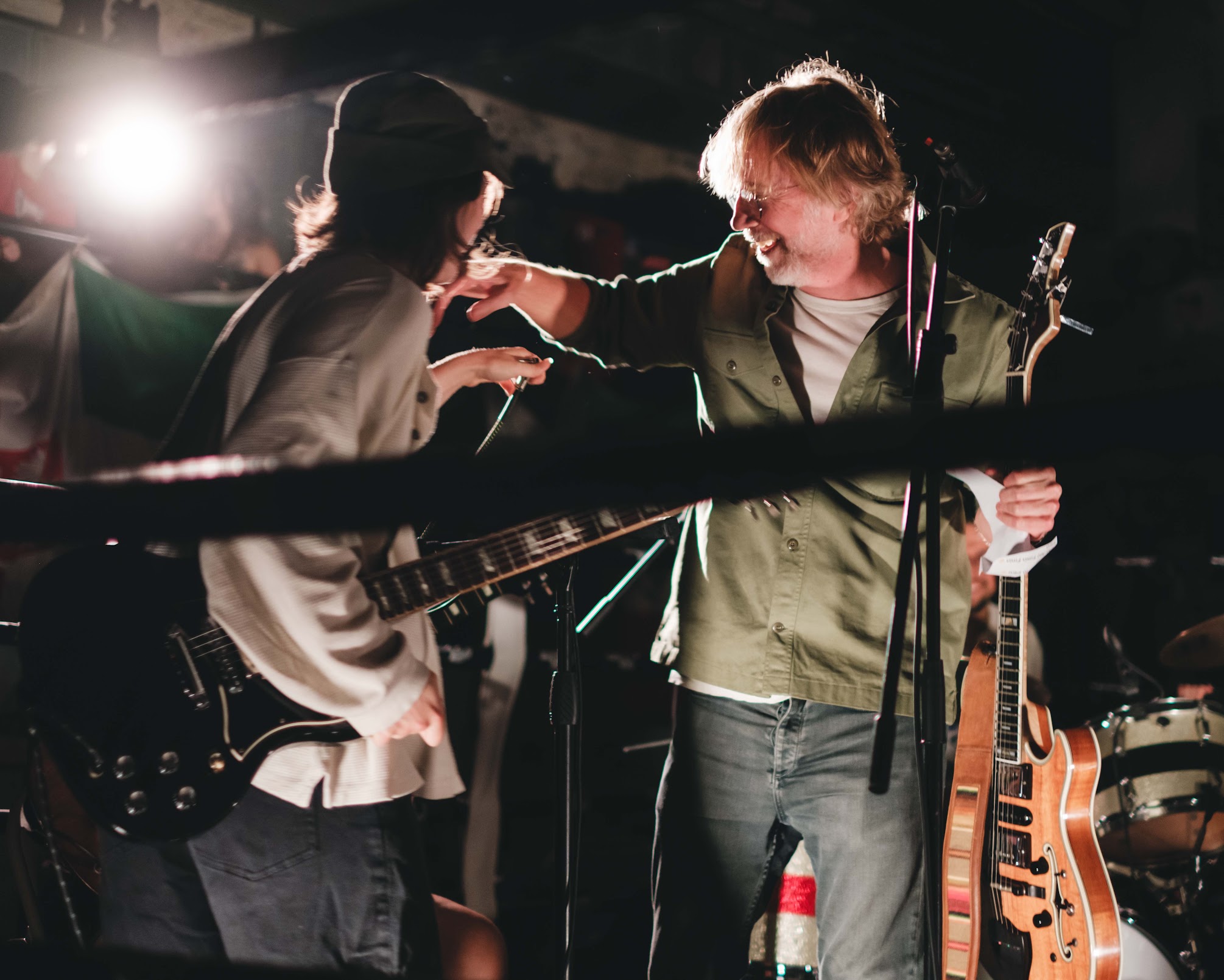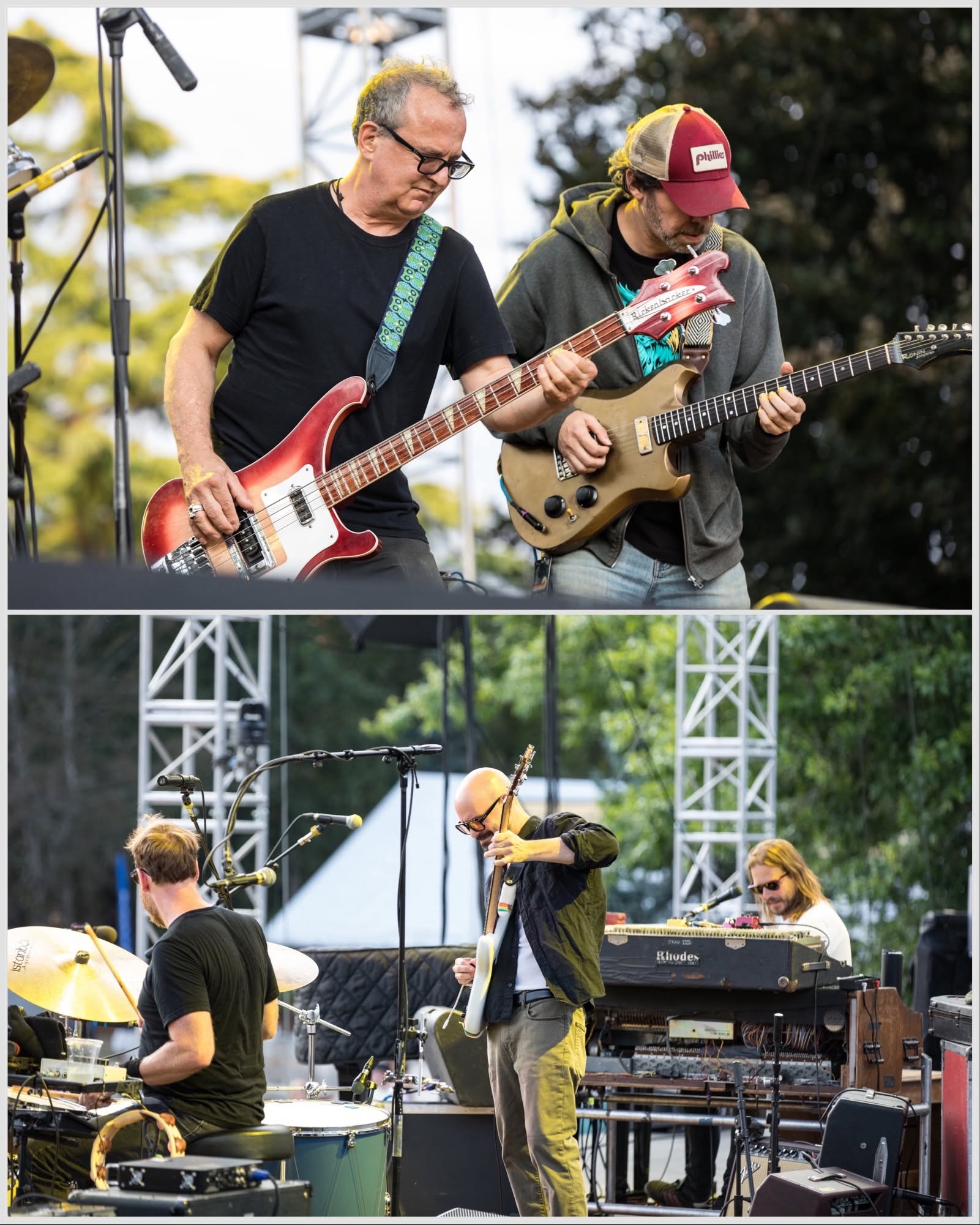
Photos by Madison Dodd
Jesse Welles brought Croton-on-Hudson’s second-annual Hudson River Music Festival to a close last night, inviting out most of the event’s marquee performers for a sing-along version of Woody Guthrie’s “This Land Is Your Land.” It was a fitting end to the environmentally conscious gathering, which grew out of the Clearwater/Great Hudson River Revival Festival Guthrie’s contemporary Pete Seeger hosted on the same site for decades in an effort to cleanup the adjacent Hudson River.
Welles—whose Hudson River Music Festival set at Croton Point Park marked his first time headlining a major music festival—is a throwback to Seeger, Guthrie and their brethren in numerous ways, commenting on a range of current events as he “sings the news” while also writing songs about nature and his own travels to and from his native Arkansas. He kicked off his extended spot with a few solo selections that emphasized his folkie roots, beginning with “The Great Caucasian God,” but later brought out his band for a more expansive offering. He also invited out a few fellow festival performers, including Daniel Donato on “Join Ice” and Margo Price on the equally politically charged “No King,” nodding to a brief patch of inclement weather with Creedence Clearwater Revival’s “Have You Ever Seen the Rain?” Later in his set, he wove in another solo section, which included “Bugs”—one of his best-known originals—and John Denver’s “Take Me Home, Country Roads.”
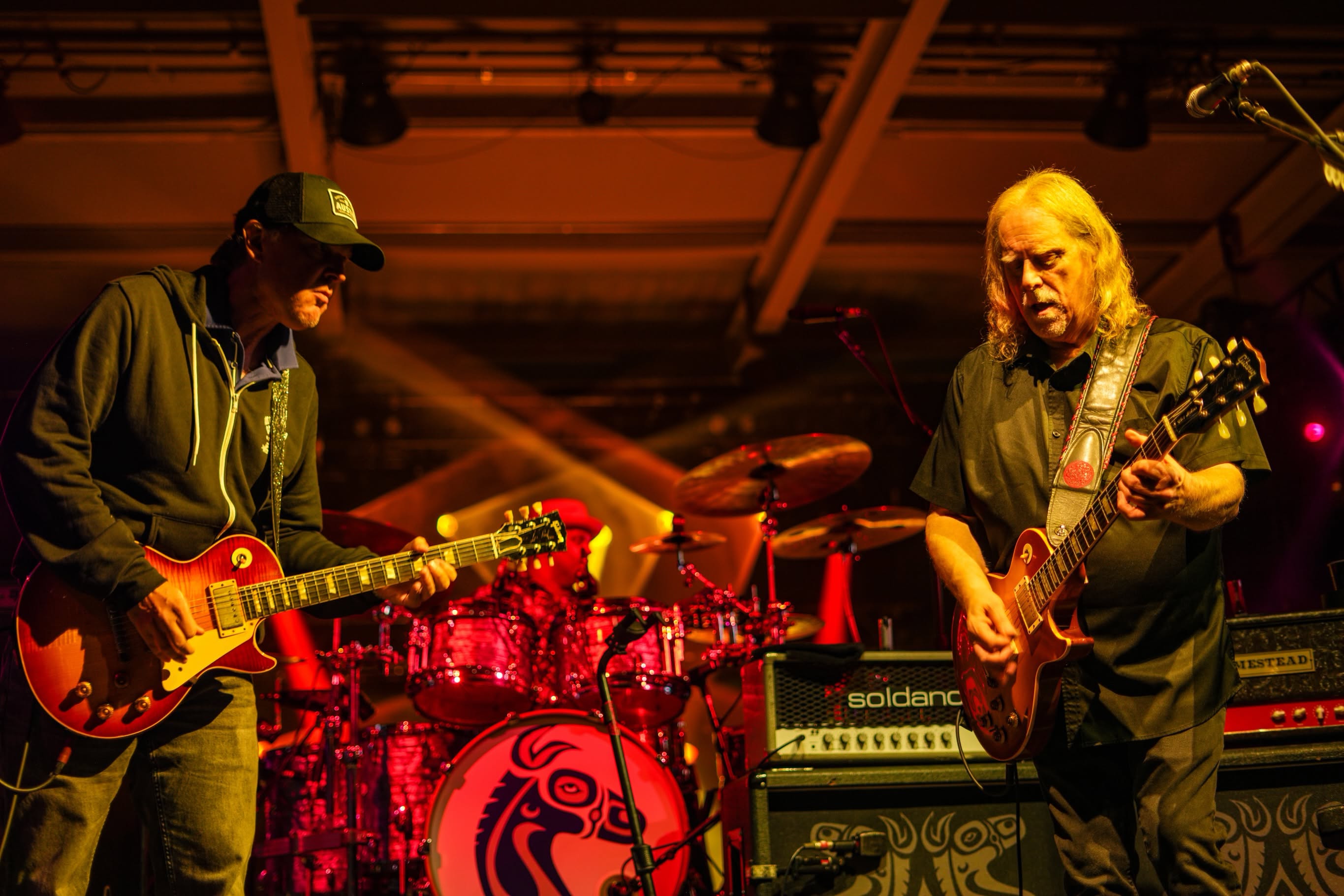
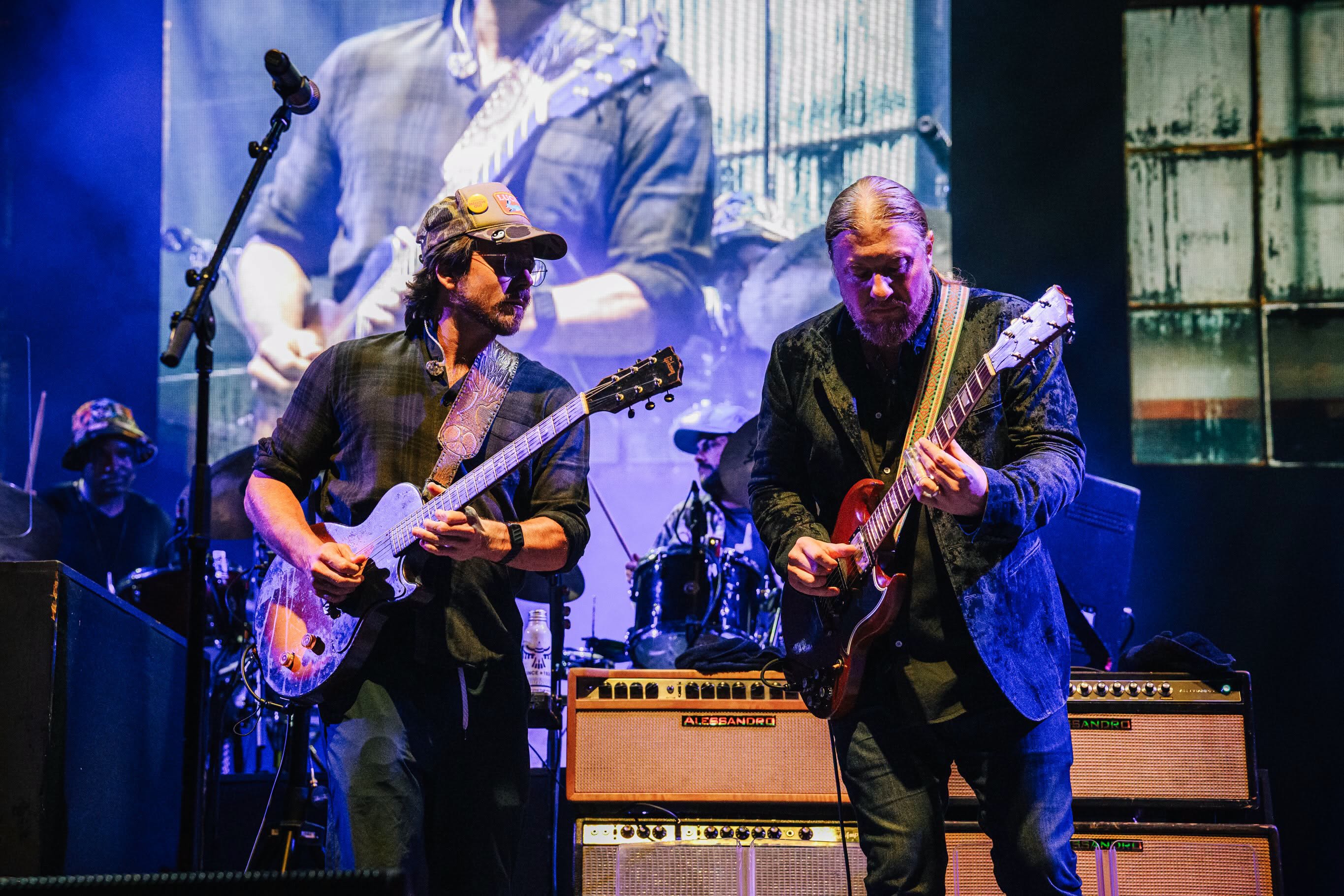
The high-energy performance capped off a festive day that leaned into the event’s cross-generational appeal. Immediately before Welles’ show, Donato teamed up with Warren Haynes and Grahame Lesh for a one-time-only trio set. They also emphasized the festival’s roots in protest music, as well as their individual lineages, kicking things off with a cover of Crosby, Stills, Nash & Young’s “Find The Cost Of Freedom” that segued into that tune’s iconic A-side, “Ohio.” From there, the musicians leaned into their collective roots in the Grateful Dead world with a segue from that ensemble’s “Cumberland Blues” into their arrangement of the traditional “Jack A Roe” and then back into “Cumberland Blues.” After that, they honored The Allman Brothers Band with “Melissa,” dipping into the iconic folk ditty “Peggy-O” along the way.
Next, Lesh took center stage on “Mountain Song,” a tune that began its life as a Jerry Garcia collaboration on David Crosby’s If I Could Only Remember My Name and was updated by Grahame’s brother Brian for their father’s Furthur project. The trio then surprised fans with a run from “I Know You Rider” back into “Find The Cost Of Freedom” and by bringing out Price, one of Bob Weir’s late-in-life collaborators, for the Dead classic “Casey Jones.” At the end of the sequence, Welles, Price and Preservation Hall Jazz Band tuba player/creative director Ben Jaffe, a surprise guest at the festival, joined in for a set-closing cover of Seeger’s “If I Had A Hammer.”
Numerous other collaborations took place during the single-day event. During Price’s own set, she invited out Woody’s granddaughter Sarah Lee Guthrie, who was in the park to perform with her Guthrie Family Singers project, to play his eerily still relevant number “Deportee” and also nodded to the setting by closing with Bob Dylan’s “Maggie Farm.” Jaffe, who was spotted watching Cuban/Afro-Caribbean funk-act Cimafunk side stage, also made a surprise appearance with Snacktime. Meanwhile, on the Rainbow Stage, Tom Chapin & Friends and The Chapin Sisters were joined by special guests Reggie Harris and The Mammals for an event billed as A Celebration of Pete & Toshi Seeger while, as he has of late, The Sway Machinery guitarist Jeremiah Lockwood performed with the New Yok-bred old-time string band The Ebony Hillbillies.
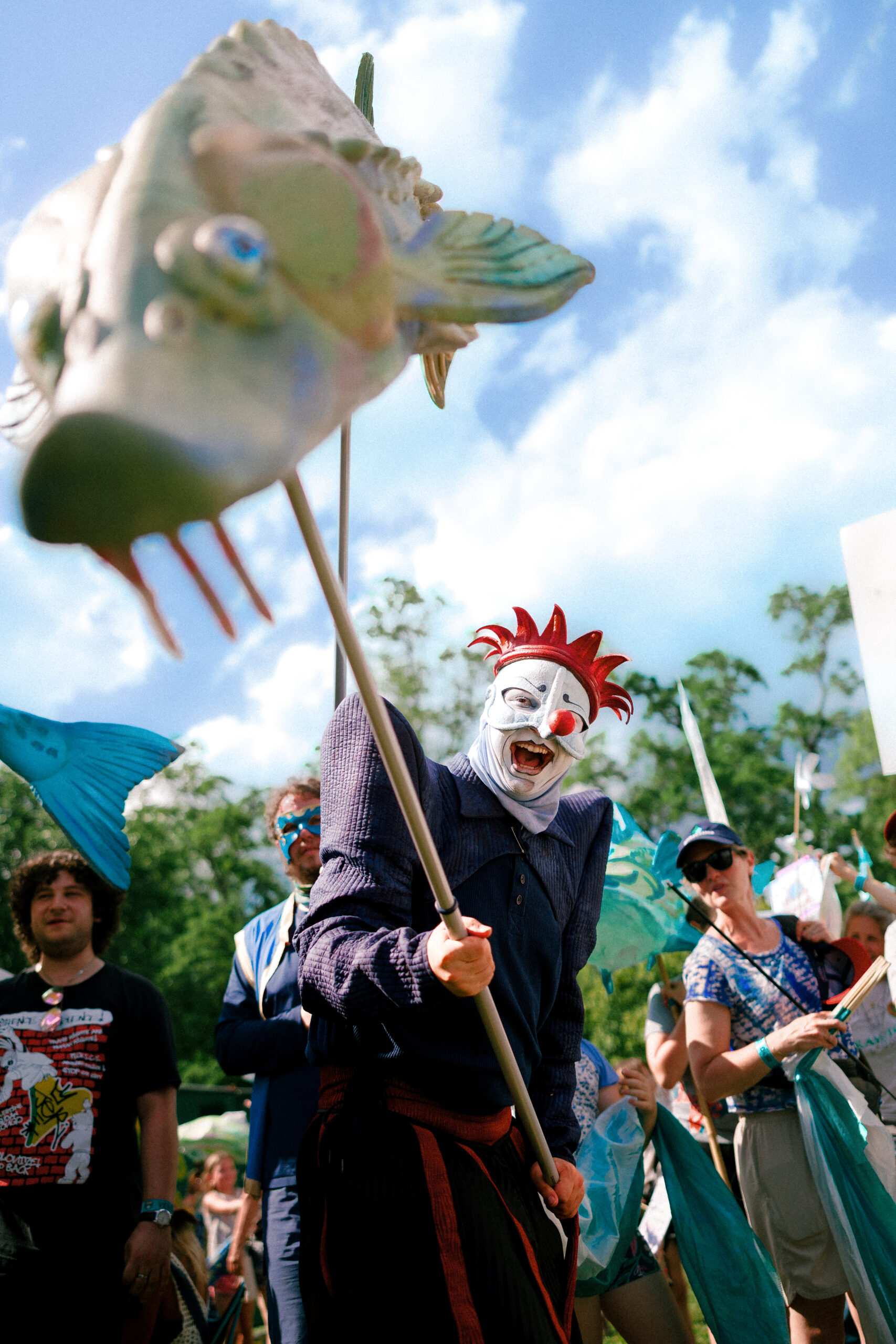
A range of children’s activities, participatory activist booths and sing-alongs throughout the festival village also helped usher the Clearwater ethos into a new era. That included Grahame offering the opening remarks on a climate-change panel and the Chapins leading a sing-along in the Circle of Song space positioned by vending area, both of which blurred the lines between performer and attendee.