***
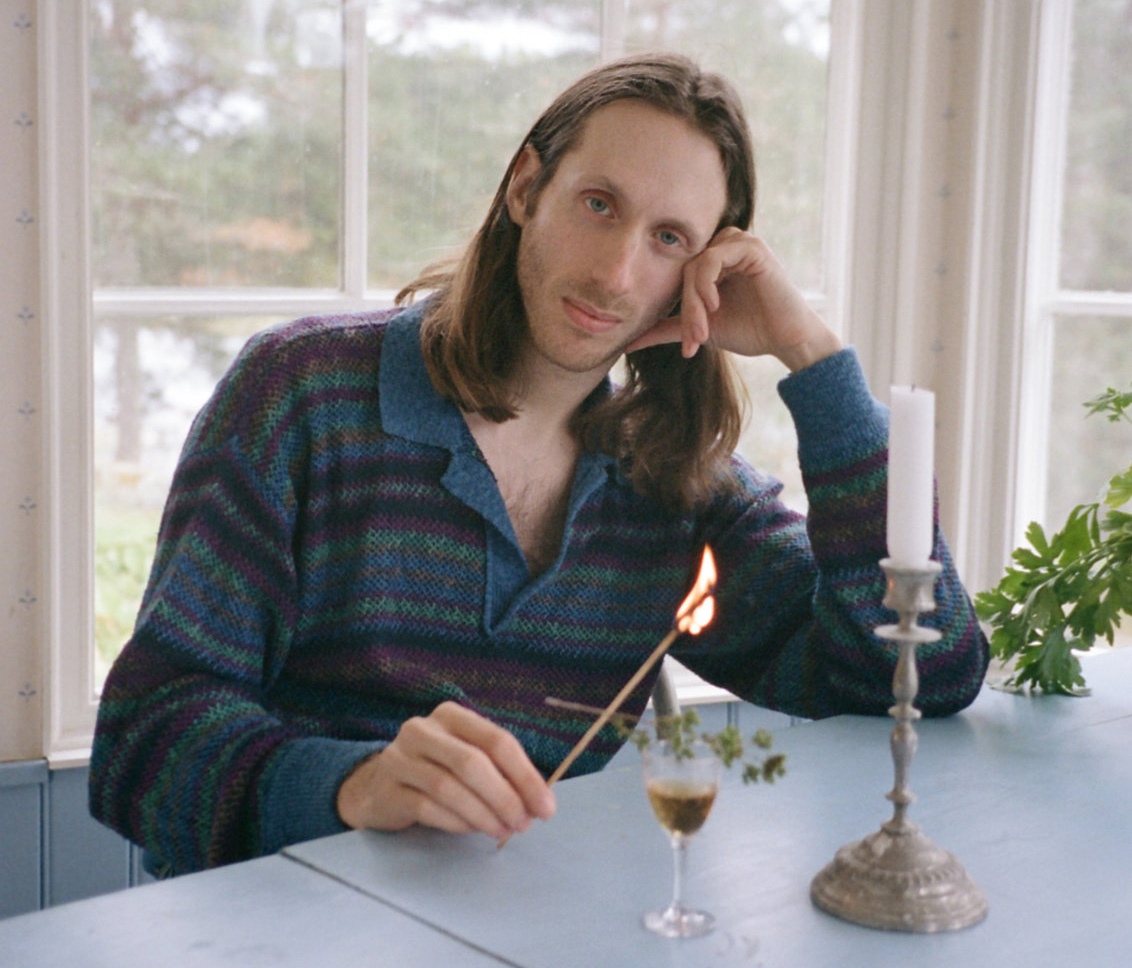
“It’s been a weird adventure,” says Paul Janeway, reflecting on his last few years with his ever shifting Alabama outfit, St. Paul & The Broken Bones. In the past, that quote could have been a nod to the band’s music—with their experimental double-header, The Alien Coast (2022) and Angels in Science Fiction (2023), the horn heavy octet expanded from comfort-food Southern soul into a dreamier and more psychedelic space, likely tapping into a new vein of fans while alienating some diehards devoted to early belters like “Call Me.” This time around, the opposite sentiment is true. The band’s self-titled sixth LP is, in the singer’s words, a “reset”—an intentional refocus on classic grooves and songwriting chops. In many ways, it feels like a backyard barbecue with family you haven’t seen in ages. Everyone is slightly older, hopefully wiser and warmer, somehow still home. But the path toward that result was arduous, confusing and, indeed, very weird.
Janeway’s whole career has been relatively unusual. He grew up in small town Chelsea, Ala., and became a “preacher in training,” but he made a dramatic life shift in 2012, co-founding St. Paul & The Broken Bones with bassist Jesse Phillips, whom he’d met in an earlier alt-blues outfit, the Secret Dangers. After five albums, a stream of major tours, key festival slots, and gigs with top-shelf artists like The Rolling Stones and Elton John, The Broken Bones found themselves at a natural breathing point in September 2020. They’d just finished recording Angels in Science Fiction, which had been conceived in a flash of pandemic inspiration after Janeway learned that his wife was pregnant with their daughter, Marigold. There had been so much change, in such a short span, and it seemed like a good time for everyone to spread their wings a bit. In a very nonlinear but illuminating process, the singer started collaborating with other artists and co writers for a project that, as of now, remains in a sort of limbo state. (He’s hopeful that it will eventually see the light of day.)
Janeway hopped around sonically and geographically, experimenting with what he could sound like in these other settings. Throughout this experience, the singer experienced a spark with one particular person: British musician Eg White, known for co-writing major songs with Florence + The Machine (“What the Water Gave Me”) and Adele (“Chasing Pavements”), among dozens of other pop and rock stars. The duo locked into a groove, hunkering down on new tunes whenever they could. “I’d been working on that stuff for two years,” Janeway says. “When the band was off, I was flying to London and working on everything.” Eventually, though, the lines between this project and the band world started to blur—but in an ultimately productive way, when Phillips came up with an intriguing idea.
“Obviously, Paul and I are tight, even outside of the band landscape, so I’d been kind of keeping track of his journey with the [other project],” he says. “When he wrote with Eg, he started showing me the songs, and I thought, ‘They’re authentically you. The melodies feel like something you’d sing. They feel like your phrasing. These are great songs that we’d enjoy playing in the show.’ As conversations kept happening about what was next for us, we said, ‘What if we picked our favorites of those and embraced them as St. Paul & The Broken Bones songs?’”
“The band has always worked a particular way,” Janeway adds. “It’s been very insular. I was always hesitant about showing them anything. Obviously, they were curious, like, ‘Am I about to lose my job?’ And that’s totally fair. [Laughs.] But that was never really my thought process.”
***
The experiment made sense for everyone. Janeway got to find a home for at least some of this gestating material—with permission, of course, from the record label in question— and the group was able to deepen their own bench of album contenders. White was the ideal choice for producer, serving as a bridge between these two worlds.
Still, this process became a new wrinkle for the band, given that they’d only previously dabbled with outside collaborators. “Honestly, though, it just felt right,” Phillips says. “Sometimes people go write with outside people who are just chasing hits, and they end up wringing all the individual personality out of an artist, all in service of getting the most generic hook or phrase or melody. None of the stu¤ Paul had worked on with Eg prior to the band getting a hold of it felt like that. It was representative of what people like about Paul.”
One of those songs was “Sushi and Coca Cola,” an ultra-funky ode to a particularly pure moment of domestic bliss. “It always felt, to me, like a St. Paul & The Broken Bones song,” says Janeway, who notes that the tune didn’t really need all that much adapting. But he admits that the other one, “Change a Life,” was more challenging because it sounded “pretty different” from what people might expect. “That one was [originally] a bit more digital, not as organic-sounding,” he says. “It was like, ‘How are we going to make this work in our world?’ That was the only song that we were really struggling with and where we said, ‘Is this going to fit?’”
The end result is a gorgeous symphonic soul ballad, detailing Janeway’s isolating existential crisis while in London. (At one point, he shame-eats at a “dirty Burger King.”) And it feels like a perfect bridge from their early and more recent eras, spotlighting the singer’s guttural wail over a lush arrangement of strings, tumbling drums, gently honking horns and even Steely Dan-like electric sitar tones.
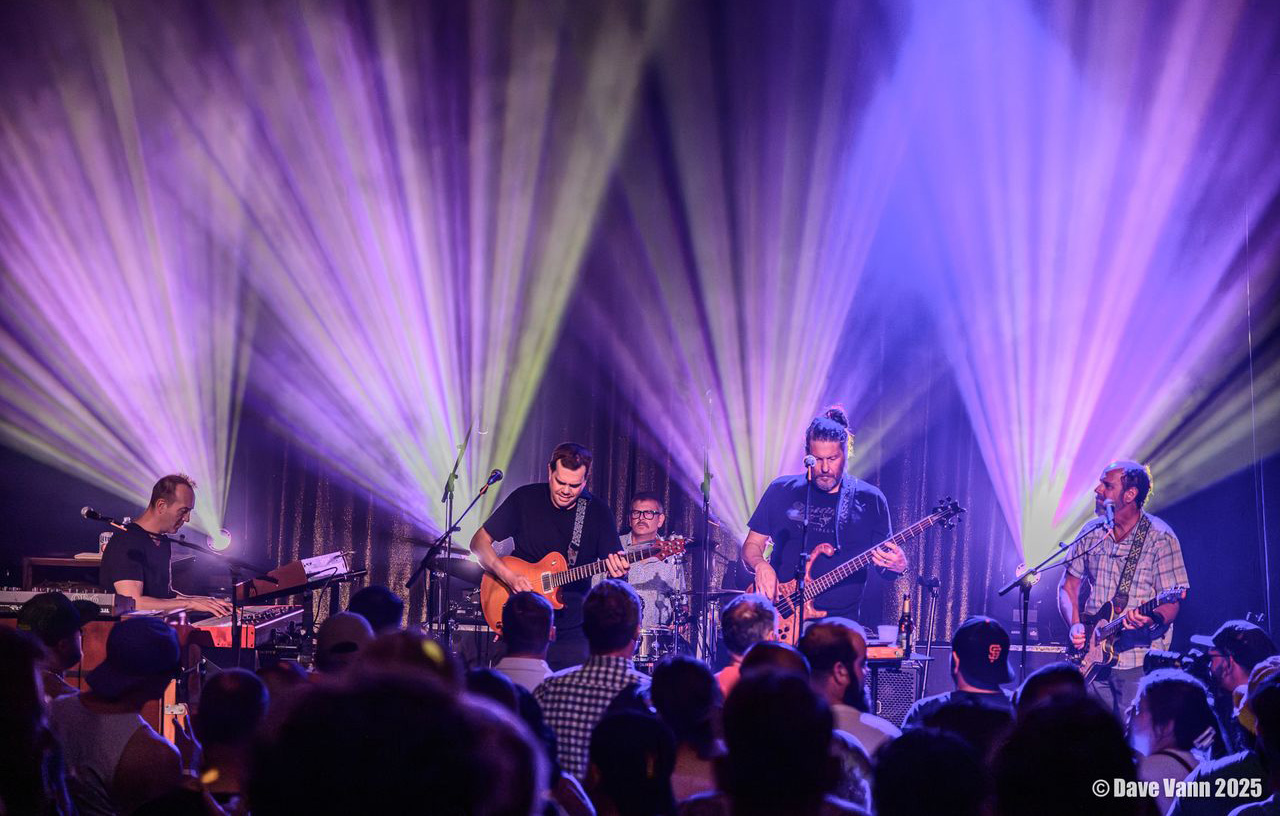
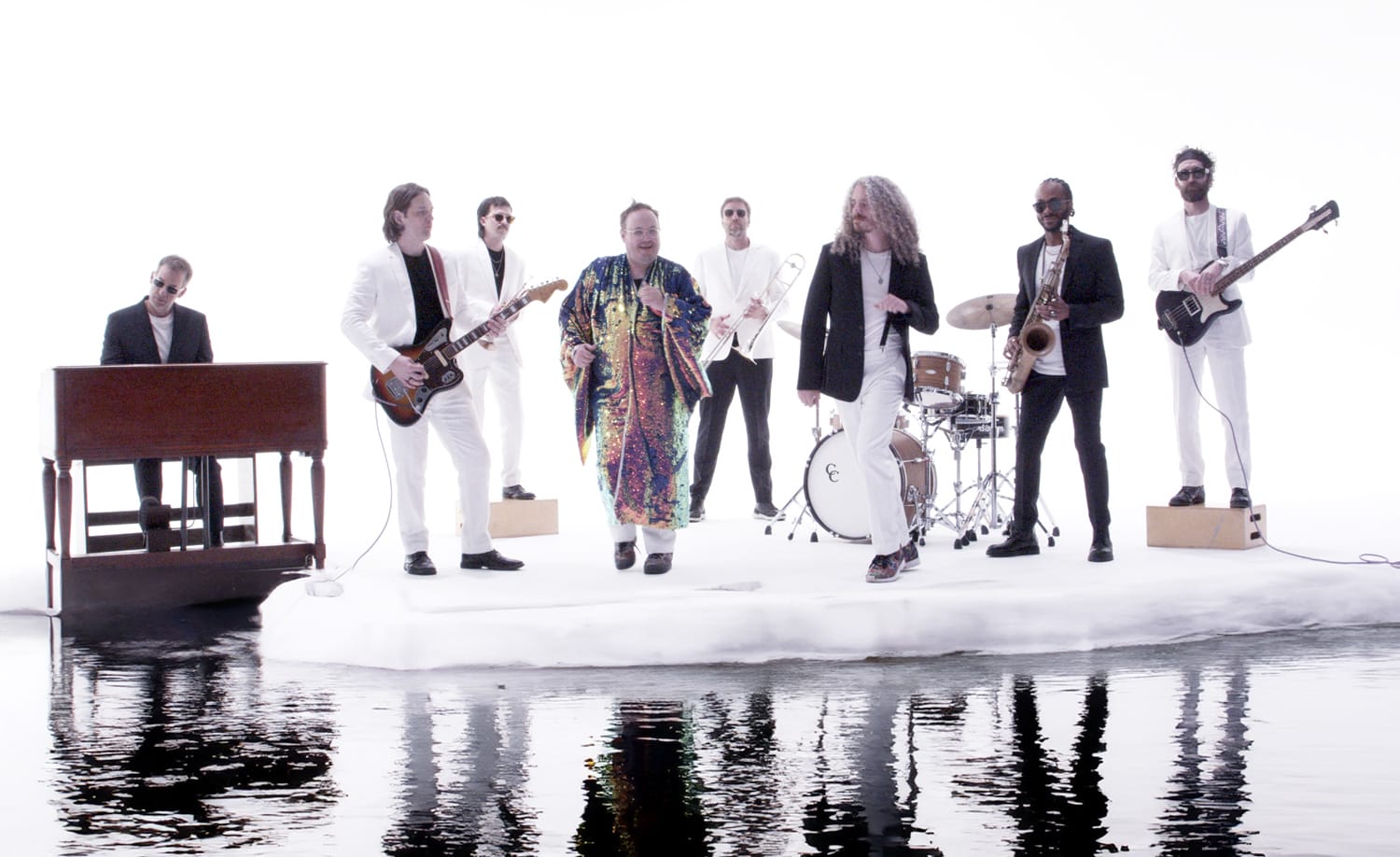
The latter was played on a vintage ax that guitarist Browan Lollar found during their sessions at FAME Studios in Muscle Shoals, Ala., where they’d previously mixed their breakout debut LP, 2014’s Half the City. That location became a crucial hub for the band, which also includes keyboardist Al Gamble, drummer Kevin Leon, saxophonist Amari Ansari, trumpeter Allen Branstetter and trombonist Chad Fisher. Along with those two previous songs, St. Paul & The Broken Bones features a batch of material penned by the full band at FAME in early 2024, as well as more songs written by Janeway and White in London later on—this time, with the band in mind from the beginning. “It was a long process,” the singer says. “It was a convoluted way of getting there. The hardest part was going back to London and writing, but it ended up being really fruitful. I went back for like two weeks, and [a few] of those songs wound up on the record. Not only that, but we had Eg produce, so that made it cohesive.”
White was instrumental in the whole process, helping the band serve their vision of what Phillips calls a “song-focused” album. Even if it was new having an outside writer/producer so involved in their work, it became a real benefit in the long run, as he opened up their collective hood, creatively speaking.
“Right when we were first talking about what this record was going to be, I think Paul mentioned Sports by Huey Lewis and the News,” the bassist says with a laugh. “I think we’ve gotten a bit bogged down in the past, just chasing our creative whimsies and going, ‘It doesn’t matter what we put out. It will be good, and people will like it.’ Maybe there’s some truth to that, but you have to recognize that making songs that people like is also fun. There are all these needles you have to thread. You don’t want to be too career-ist about it. You don’t want to chase hits.
“But it felt like this record was going to be important for us to draw in some new fans and reinforce what people who’ve been with us for a long time feel about the band,” he continues. “Right from the outset, we were like, ‘The record should be all killer, no filler.’ The unifying theme of the album is just going to be, ‘Record the best songs we can.’ I’m not saying that there’s no ego in the band because, obviously, we’re artists and there’s always going to be some ego involved, but being a big band, we derive a lot of our primary revenue from just touring. So I think we’re all in the headspace [of making] an album that helps the cause and gets attention. What did Paul say?—‘A rising tide lifts all ships.’ It doesn’t matter who’s on the writing credits, as long as it feels like us and doesn’t feel trite.”
***
It’s also worth noting that White—who was excited to make the trip to the States, after finding someone to watch his dog— jumped right in and got his hands dirty, even helping the band workshop some of their individual parts. Phillips calls White a “fun, empathetic writer,” and he has plenty of examples to prove it. A quintessential moment happened during the creation of the brassy, sassy single “Sitting in the Corner,” which Phillips describes as “‘Superfly’ meets Radiohead.” (Adding to the strange brew, it also features a pre chorus, spoken-word section that feels a bit like Taylor Swift’s “Shake It Off.”)
“The bones of [the song] were there—it just felt like it hadn’t really gotten over the hump, so we were sitting around and trying things,” he says. “I don’t remember if it was Kevin coming up with that quick ‘Superfly,’ snare-drum thing or me playing that busy bass part, trying to give it a different vibe. But Eg wound up perking up at one of those moments and came in, like, ‘Yes, that’s the direction! Let’s hammer this out.’ On paper, it’s a musical mishmash that shouldn’t really work, but it just ended up feeling so good when the chorus hits.”
“[Working with White] is the first time I’ve been like, ‘I don’t know how he does this,’” Phillips adds with a laugh. “His ability to change things or move things around or come up with something out of thin air—it’s the first time I’ve been like, ‘He might actually be a genius.’” With all that creativity swirling around, it’s no surprise they covered a lot of ground on St. Paul, even if the resulting album manages to hit the soulful sweet spot they coveted. There’s the Motown-meets-Beach-Boys glow of “Stars Above,” the strutting attitude of “Ooo-Wee” and the poignant reflections of closer “Going Back.”
That track details a return—both emotionally and physically—to “where the hurt is, where the dirt is,” Janeway reflects, zooming in on the dislocating vulnerability of visiting his hometown. He was helping some family members move when he bumped into someone from high school that he hadn’t seen in forever. He was instantly transported back to the “embarrassment” of his time working at a shoe store, when he “felt like a loser” who hadn’t figured out his path. “I’ve had to go back a lot, so I’ve tried to analyze what it is about it that’s hard for me,” he says. “I didn’t have anything going on, and I barely got out of high school. There are a lot of things about my personality that are definitely still rooted in [who I used to be]. I love being in rural places. I’m not a big-city kind of person. I [feel uncomfortable] being around people with a lot of money. But who I was when I was there felt like someone who hadn’t accomplished anything.”
At a pivotal moment in “Going Back,” Janeway even sings about returning to a church, a place where “the mix of Clorox and the pine shreds [his] nerves.” It’s almost painfully intimate, but by the time you’re swept up by that tearjerking chorus falsetto, you find yourself with a real sense of healing. St. Paul also provides that healing on a musical level—it’s a people pleasing return to their roots while still showcasing plenty of the deep lessons learned from their more recent LPs. On that note, Janeway doesn’t know for sure where they’ll go next, but he has a feeling there’s still room to explore in this space.
“It’s been interesting because, usually, I’m like, ‘Let’s pull from the opposite [style],’” he says. “But I feel, with the way we did things, that there’s still a creative well there. I really do. It put everybody, me included, in our happy place, and I really feel like finding classic melodies and great grooves—that’s a challenge. Threading that needle, which I think we did, is really hard. I still feel the desire to go in that direction. That said, we could start [that process again] and go, ‘This doesn’t feel right.’ That does happen. I’m hoping it doesn’t happen. Is there an album’s worth material [left in this direction]? I don’t know. Is there a couple songs worth? I don’t know. But there’s some juice left to squeeze.”